




Matte Vs. Glossy Prints: Which Finish Should You Choose?
 Mar 26, 2026|
When you hold a printed piece in your hands, the first thing you notice is not just the design, but the feel and shine. Matte or glossy finishes affect the colors, text readability, and professional look; this guide simply explains the differences to help you choose confidently.
1. Matte vs. Glossy Finish Explained
Before we compare them side-by-side, let's look at what each finish actually is.
(1) What is a Matte Finish in Print?
A matte finish has a smooth, non-reflective surface. It is coated to diffuse light, which means it doesn't shine when light hits it. It feels soft and sophisticated to the touch, often described as "velvety."
① Benefits of Matte Finish:
- No Glare: It is highly readable under direct light, like in an office or bright sunlight.
- Elegant Feel: It gives a premium, understated, and artistic look.
- Hides Fingerprints: It is very forgiving and doesn't show smudges or dust easily.
- Easy to Write On: You can write on a matte surface with a pen or pencil.
② Disadvantages of Matte Finish:
- Duller Colors: Colors can look flatter and less vibrant because they don't reflect light.
- Less "Pop": Images can lack the sharp, high-contrast "pop" that glossy provides.
- Scuff Prone: Depending on the coating, it can be slightly more susceptible to scuff marks.
(2) What is a Glossy Finish in Print?
A glossy finish is coated to create a hard, shiny, and highly reflective surface. Think of it like a plastic coating that makes the colors underneath look bright and sharp.
① Benefits of Glossy Finish:
- Vibrant Colors: It makes colors appear richer, deeper, and more saturated.
- High Contrast: Images and graphics have a sharp, high-definition look.
- Durable Surface: The shiny coating is often tough and resistant to dirt and moisture.
② Disadvantages of Glossy Finish:
- Glare: Light reflects strongly, making it hard to read in bright conditions.
- Shows Imperfections: It clearly shows fingerprints, smudges, and scratches.
- Not Writeable: You cannot write on a glossy surface with a standard pen.
2. What's the Difference Between Matte and Glossy?
The core difference comes down to how they interact with light. To make it even clearer, let's break it down into four specific areas.
(1) Light Reflection
- Matte: Absorbs or diffuses light. No glare.
- Glossy: Reflects light. Creates shine and glare.
(2) Color Depth
- Matte: Colors are soft, flat, and natural.
- Glossy: Colors are bright, deep, and saturated.
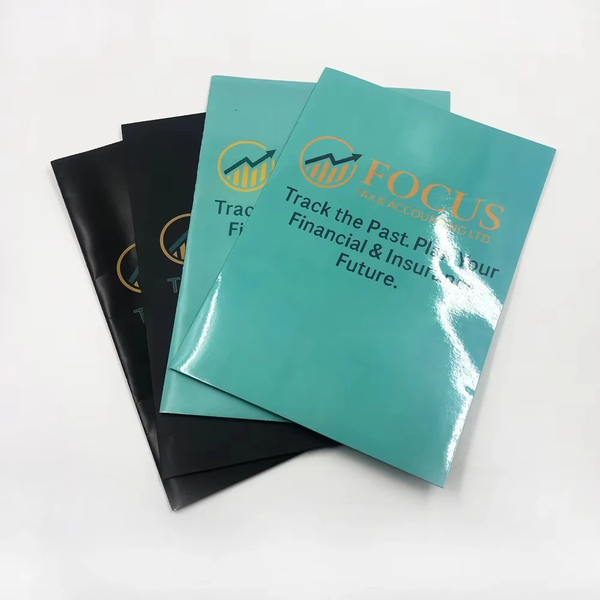
(3) Tactile Feel
- Matte: Smooth, velvety, and warm to the touch.
- Glossy: Smooth, slick, and cool to the touch.
(4) Durability & Maintenance
- Matte: Hides smudges well but can scuff.
- Glossy: Resists moisture but shows every fingerprint.
3. Best Uses for Matte vs. Glossy Finishes
Different projects need different finishes. Here is how to choose based on what you are printing.
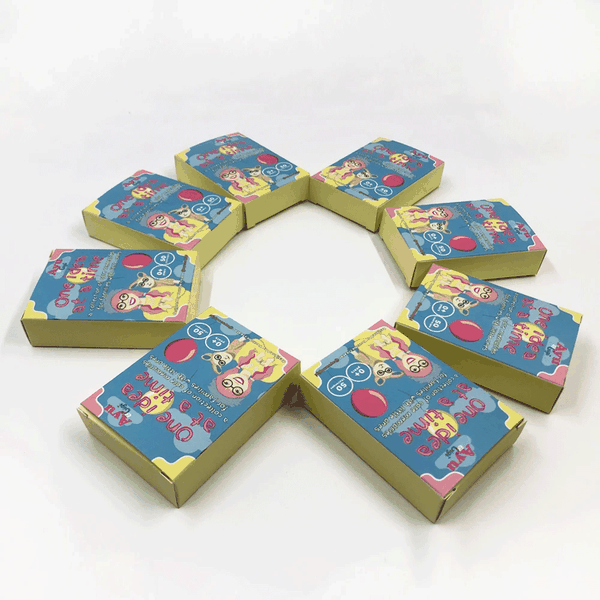
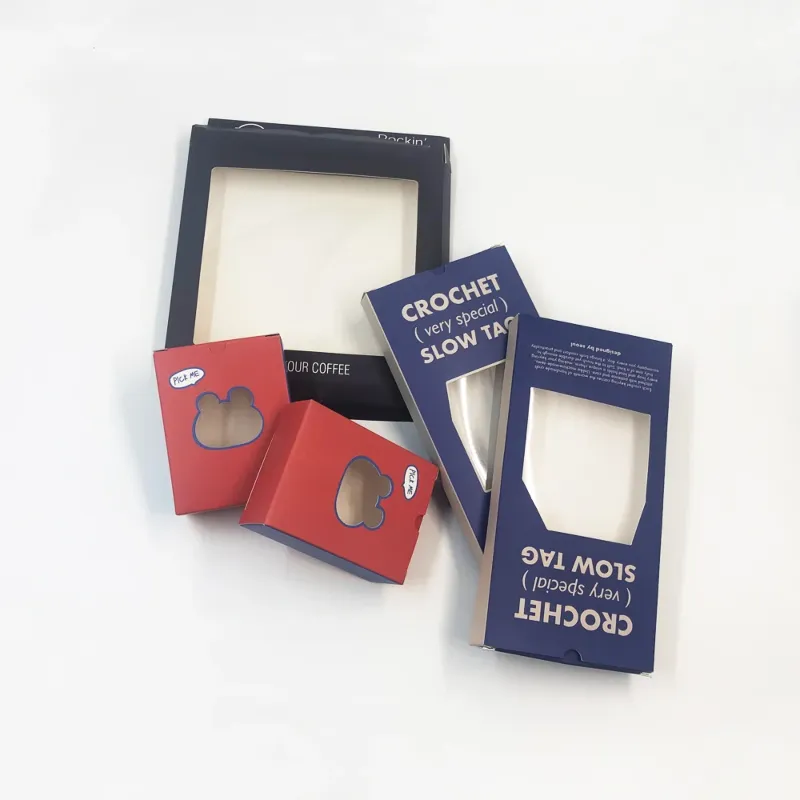
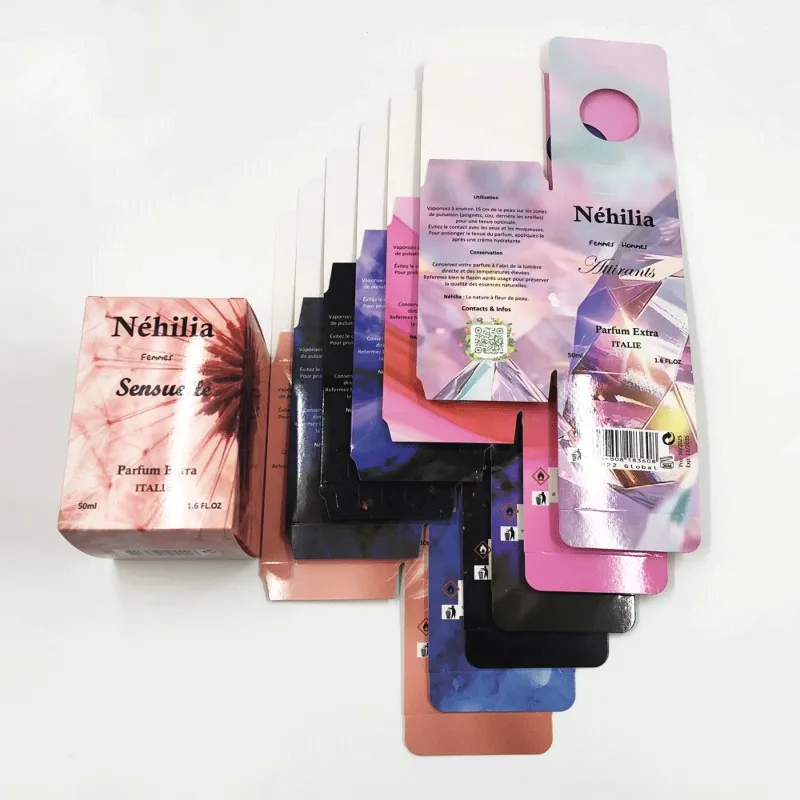
(1) Paper Box:Matte vs. Glossy
- Matte Box: Ideal for luxury products like high-end cosmetics or jewelry. It whispers "quality."
- Glossy Box: Perfect for retail products like toys or snacks. It screams "look at me!" on a shelf.
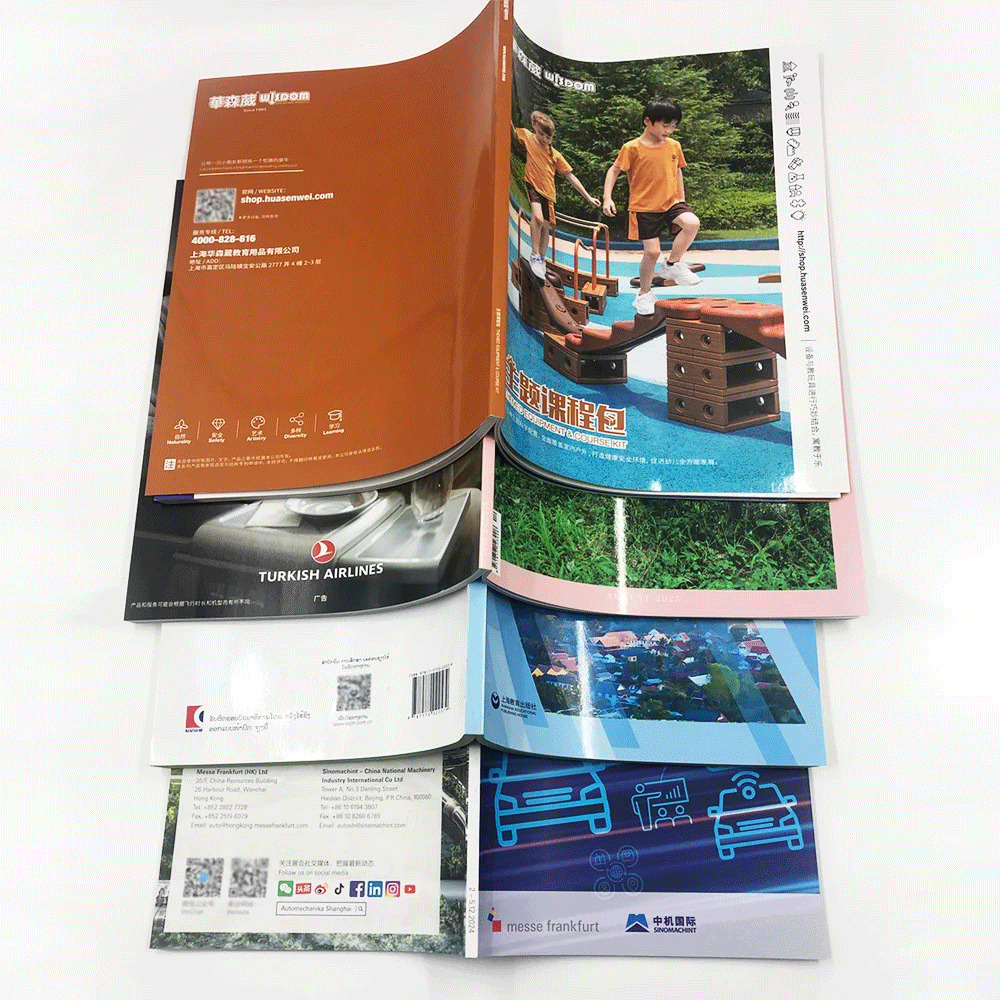
(2) Paper Book: Matte vs. Glossy
- Matte Book: Best for text-heavy books like novels or manuals. The lack of glare makes reading for long periods comfortable.
- Glossy Book: The standard choice for art books, photography portfolios, and magazines where image quality is critical.

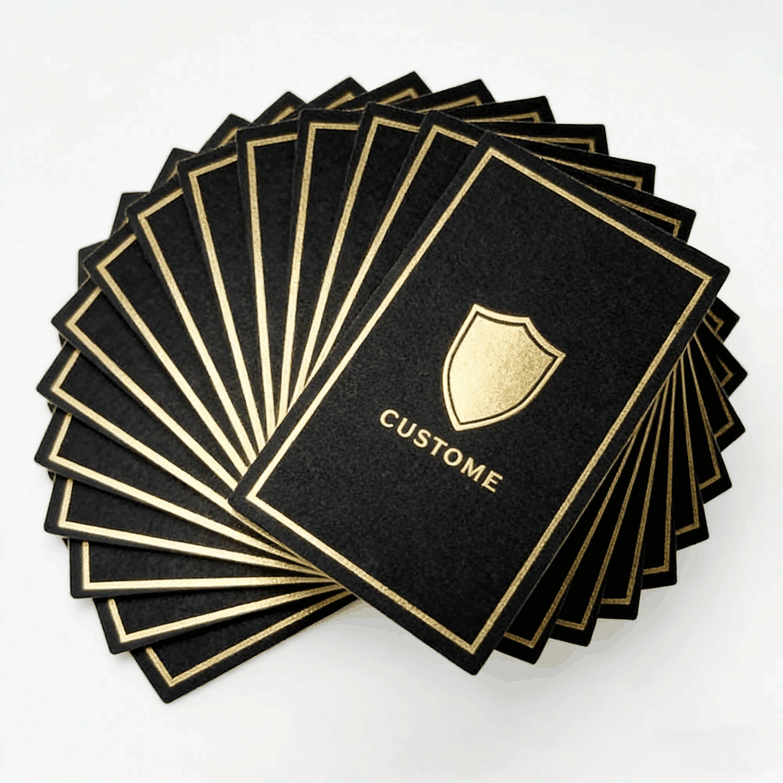
(3) Business Cards: Matte vs. Glossy
- Matte Card: Gives a professional, minimalist, and artistic impression. Good for architects, designers, or consultants.
- Glossy Card: Feels energetic and vibrant. Good for real estate agents, retailers, or entertainment businesses.
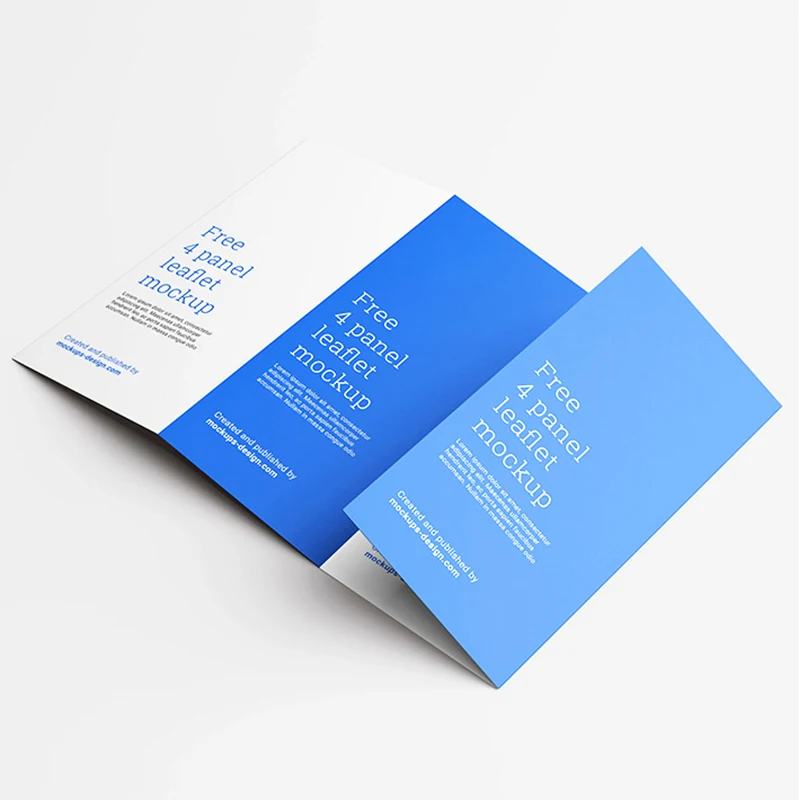
(4) Brochures: Matte vs. Glossy
- Matte Brochure: Looks sophisticated and is easy to read in any lighting. Great for corporate reports or medical information.
- Glossy Brochure: Makes product photos look delicious and inviting. Ideal for travel guides or food menus.
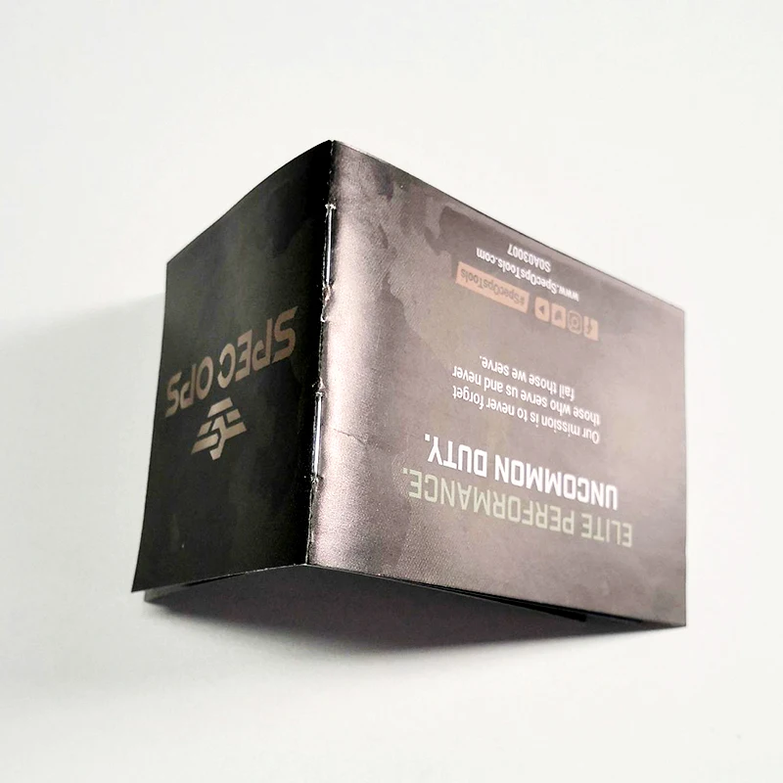
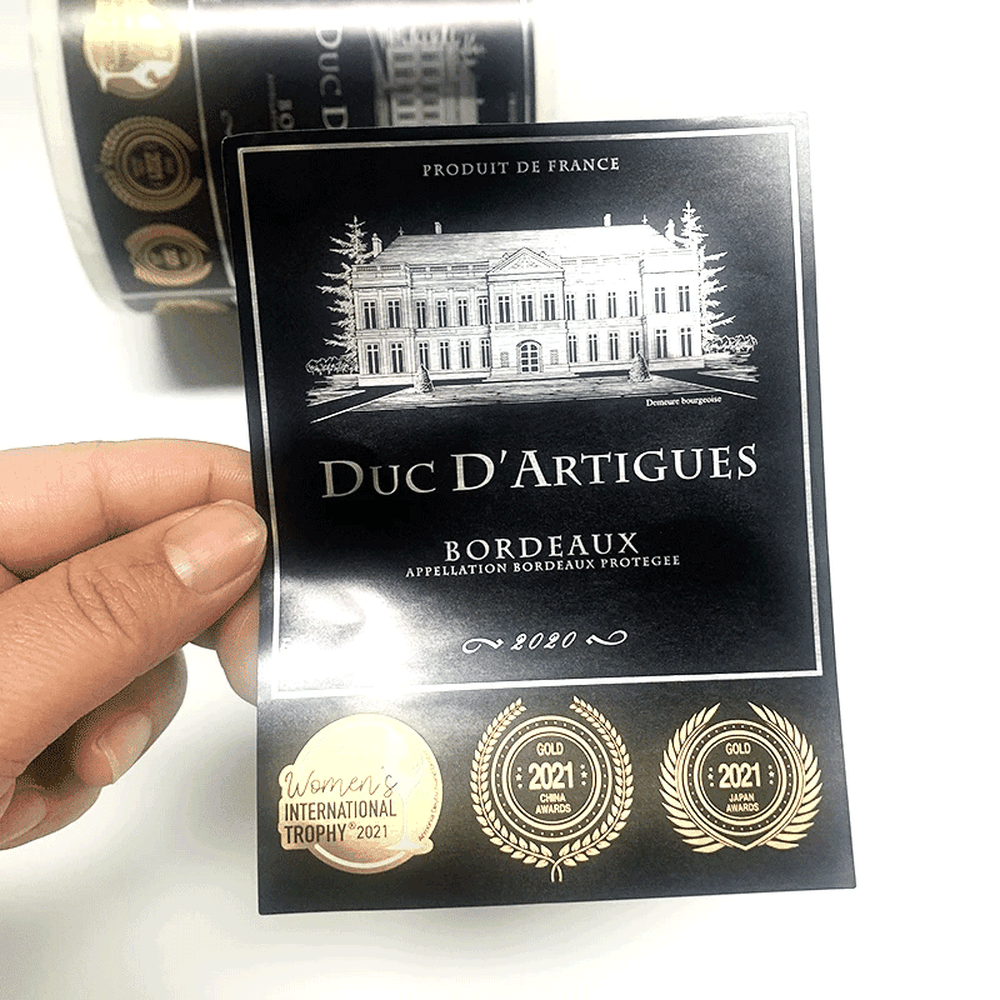
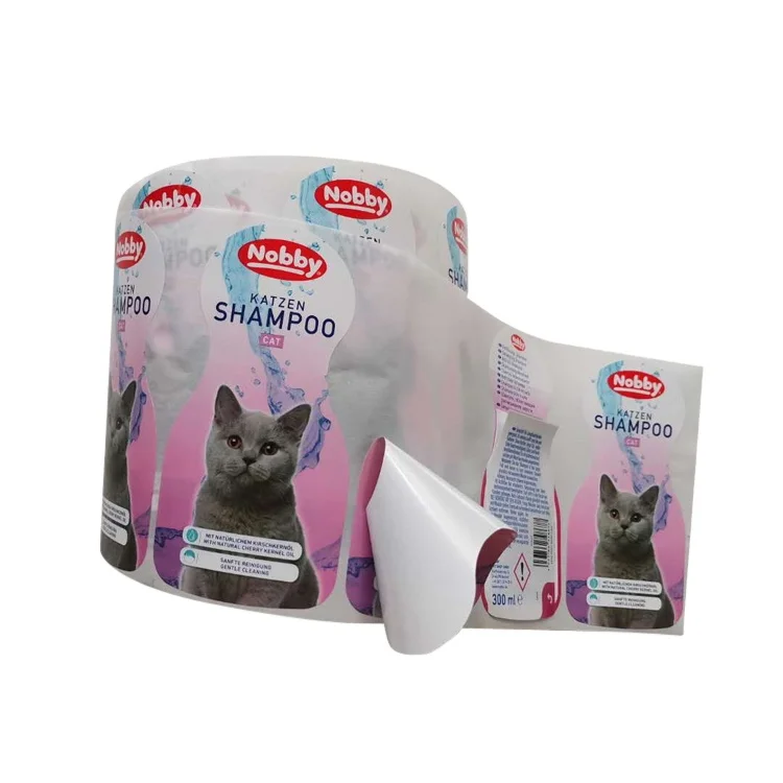
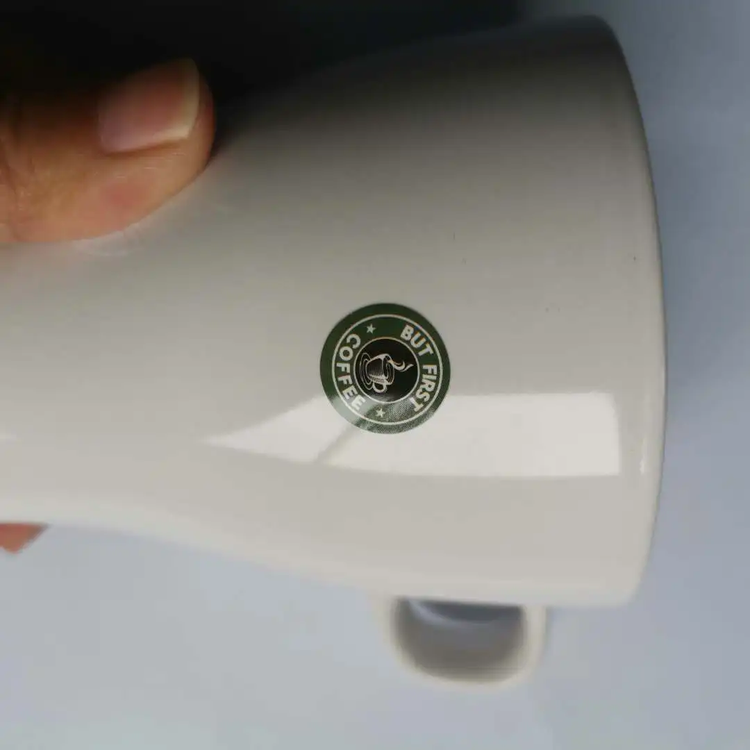
(5) Labels and Stickers: Matte vs. Glossy
- Matte Label: Gives a natural, handmade look. Often used on craft beer bottles or organic skincare products. It's also easier to write on.
- Glossy Label: Makes colors pop and looks clean and manufactured. It is also slightly more water-resistant, making it good for bottles that get wet.
4. Matte vs. Glossy: Factors to Consider When Making a Decision
Still unsure? Ask yourself these three questions to find your answer.
(1) Where will it be used?
If the item will be used under bright lights (e.g., an office), choose Matte to avoid glare. If it will be on a shelf fighting for attention, choose Glossy.
(2) What is on the page?
If your design has lots of text, choose Matte for easy reading. If your design is all about big, beautiful images, choose Glossy to make them shine.
(3) What feeling do you want?
If you want "elegant" and "sophisticated," choose Matte. If you want "vibrant" and "energetic," choose Glossy.
5. Conclusion
There is no universal "best" finish between matte and glossy. The right choice depends entirely on your project's purpose and where it will live.
Pick Matte for a sophisticated, readable, and glare-free experience.
Pick Glossy for vibrant, attention-grabbing, and durable prints.
Consider your content and your audience, and you will make the perfect choice every time.
6. FAQ
Q1: Is matte or glossy better for photos?
A: Glossy is generally better for photos because it makes the colors more vibrant and the details sharper. However, some fine art photographers prefer the soft, classic look of matte.
Q2: Which finish is more durable?
A: Both are durable, but in different ways. Glossy is better at resisting moisture and scratches. Matte is better at hiding daily wear and tear like fingerprints.
Q3: Can I write on a glossy print?
A: No, a standard pen or pencil will not write on a glossy surface. You need a permanent marker or a special pen. Matte surfaces are much easier to write on.
Q4: Does the finish affect the price?
A: Usually, the cost is the same for both finishes. However, special coatings or very high-gloss "UV" coatings can sometimes cost a little more.
Q5: Which side should I choose for a double-sided print?
A: You can mix them! A common choice is Glossy on the outside (for a pretty cover) and Matte on the inside (for easy reading).