




Card Making Paper: A Complete Guide To Choosing The Right One
 May 22, 2026|
You might think paper is just paper. But when you are making cards for your brand, your clients, or your products, the paper you choose changes everything. It affects how the card feels in hand, how long it lasts, and how professional your brand looks. This guide walks you through everything you need to know about choosing the right paper for card making-so you can make confident decisions every time.
Why Paper Choice Matters in Card Making
Paper is not just a surface to print on. It is the first thing your customer touches. It shapes their first impression.
A flimsy, cheap-feeling card can make a great design look bad. A sturdy, well-chosen paper can make a simple design feel premium. When you are selling cards-whether as part of your product packaging, your marketing materials, or your retail line-paper quality directly affects how people perceive your brand.
Choosing the right paper also saves you money in the long run. The wrong paper might smudge, tear easily, or warp after printing. That means reprints, delays, and unhappy customers. Getting it right from the start protects your reputation and your bottom line.
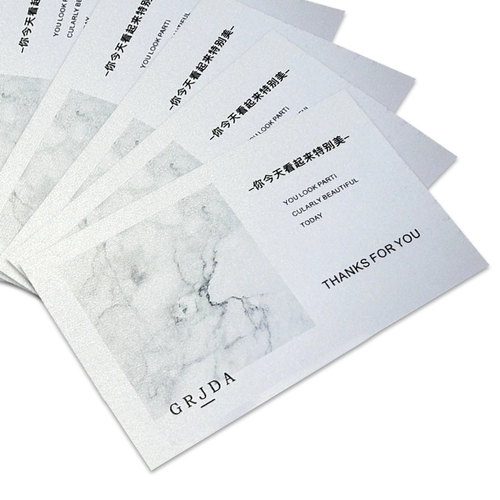
Key Paper Properties You Need to Know
Before you pick a paper, you need to understand a few basic terms. These properties determine how the paper looks, feels, and performs.
(1) Weight and Thickness (gsm and lb)
Paper weight tells you how thick and sturdy the paper is. The higher the number, the thicker the paper.
- 200–250 gsm – Light but sturdy. Good for insert cards, flyers, or lightweight greeting cards.
- 250–300 gsm – Standard for most greeting cards and postcards. Feels solid without being too heavy.
- 300–350 gsm – Premium thickness. Ideal for business cards, luxury invitations, and hang tags.
- 350 gsm and above – Very rigid. Best for high-end packaging or cards that need extra durability.
For most card making projects, 300 gsm is a safe and popular starting point.
(2) Finish – Matte, Glossy, Uncoated, Textured
The finish affects how the card looks and how it feels.
- Matte – Smooth, non-reflective, and soft to the touch. Great for elegant designs and easy-to-read text.
- Glossy – Shiny and reflective. Makes colors pop. Good for photo-heavy cards but can show fingerprints.
- Uncoated – Natural paper feel. Absorbs ink well. Ideal for handwritten notes or vintage-style designs.
- Textured – Has visible texture like linen, felt, or canvas. Adds a tactile, premium feel. Works well for luxury or art-focused cards.
(3) Opacity and Brightness
Opacity refers to how much you can see through the paper. For cards, you want high opacity so printing on one side does not show through to the other.
Brightness measures how white the paper looks. Brighter paper makes colors look more vivid. If you want a soft, natural look, you can choose off-white or cream paper instead.
(4) Grain Direction and Folding Performance
Paper has a grain direction. When you fold against the grain, the paper may crack. For cards that need to be folded, always choose paper with good folding performance or ask your printer to cut with the grain.
Common Paper Types for Card Making
Different projects call for different paper types. Here are the most common options you will encounter.
(1) Cardstock – The Everyday Workhorse
Cardstock is the most common paper for card making. It is sturdy, affordable, and works well for most standard projects. You can find it in matte, glossy, and uncoated finishes. If you are unsure where to start, cardstock is a reliable choice.
(2) Kraft Paper – For Rustic and Eco-Friendly Looks
Kraft paper has a brown, natural appearance. It is often made from recycled materials and gives off a handmade, earthy feel. It works well for brands that want to highlight sustainability, rustic charm, or a casual look.
(3) Textured Paper – For a Premium Feel
Textured paper adds a physical dimension to your cards. Common textures include linen, laid, and felt. These papers feel more expensive and are often used for wedding invitations, luxury brand cards, or high-end greeting cards.
(4) Pearlized and Metallic Paper – For Elegant and Festive Cards
These papers have a shimmer or metallic sheen. They catch the light and look festive and elegant. Use them for holiday cards, celebratory invites, or any project where you want to stand out. Keep in mind that they can be harder to write on with standard pens.
(5) Recycled Paper – For Sustainability-Focused Brands
Recycled paper is made from post-consumer or post-industrial waste. It appeals to environmentally conscious customers. Many recycled papers now match the quality of virgin paper, so you do not have to sacrifice feel for sustainability.
How to Match Paper to Card Type
Not every paper works for every card. Here is how to match paper to common card types.
(1) Business Cards
Your business card represents your brand. It needs to feel sturdy and professional. Use at least 300 gsm cardstock with a matte or uncoated finish for easy writing, or a glossy finish for bold colors. Textured or pearlized finishes can add a memorable touch.
(2) Greeting Cards and Invitations
For greeting cards and invitations, balance is key. You want enough thickness to feel substantial but not so thick that folding becomes difficult. 250–300 gsm matte or textured cardstock works well. If you want a soft, romantic look, consider uncoated or cream-colored paper.
(3) Hang Tags and Product Labels
Hang tags need to survive handling and shipping. Choose durable paper, at least 300 gsm. Kraft paper works well for a rustic or eco-friendly brand. If you need to write prices or notes on the tag, choose an uncoated or matte finish.
(4) Luxury and Brand Cards
For luxury cards, texture and finish matter more than thickness alone. Consider linen, felt, or pearlized paper. Add foil stamping, embossing, or spot UV to elevate the design. These details tell your customer that you care about quality.
Printing Considerations for Different Papers
The paper you choose affects how your design prints. Here is what you need to know.
(1) Ink Absorption and Color Performance
Uncoated paper absorbs more ink. Colors may look softer and less vibrant. Coated papers like matte or glossy hold ink on the surface, resulting in sharper, more vivid colors. If color accuracy is critical, choose a coated paper.
(2) Compatibility with Digital vs. Offset Printing
Most coated papers work well with both digital and offset printing. However, some textured or specialty papers require offset printing for best results. Ask your printer about paper compatibility before finalizing your order.
(3) Effects of Coatings and Finishes
Certain finishes work better on specific papers.
Foil stamping works well on smooth, uncoated, or matte papers.
Embossing and debossing show up best on thicker, textured papers.
Spot UV adds a glossy shine to specific areas. It looks best on matte or uncoated papers where the contrast is strongest.
Cost vs. Quality: Helping Your Clients Make Smart Choices
As a card supplier, you know that not every client has the same budget. Here is how you can help them balance cost and quality.
(1) Where to Spend More
Spend more on the paper that touches the customer first. For business cards, luxury invitations, and brand cards, higher quality pays off. A premium card makes your client look more professional and can justify higher product pricing.
(2) Where to Save
For large-volume inserts, flyers, or internal cards, a lighter cardstock or recycled paper may work just fine. Your clients do not need premium paper for every single piece. Help them identify where quality matters most and where they can reduce cost without hurting the brand.
(3) Sample Strategy
Samples are your best sales tool. Encourage your clients to order paper samples before committing to a large run. Feeling the paper in hand tells them more than any spec sheet ever could. A small sample investment can prevent a costly mistake later.
Conclusion: Help Your Clients Choose Confidently
Choosing the right paper for card making does not have to be overwhelming. Once you understand the basics-weight, finish, opacity, and paper type-you can match any card project to the right material. When you help your clients make smart paper choices, you build trust, reduce reprints, and deliver cards that make both you and your customers proud. And when you are ready to produce, Yucai is here to help with reliable printing, competitive pricing, and expert guidance every step of the way.
FAQ
1. What is the best paper weight for cards?
For most greeting cards and postcards, 250–300 gsm is a safe choice. For business cards, go with at least 300 gsm.
2. Can I print photos on cardstock?
Yes. Use a glossy or matte coated cardstock for the best photo quality. Uncoated paper will absorb ink and make photos look less sharp.
3. What is the difference between matte and uncoated paper?
Matte paper has a coating that makes it smooth and slightly shiny. Uncoated paper has no coating and feels more natural, like standard writing paper.
4. Is recycled paper less durable than regular paper?
Not necessarily. High-quality recycled paper can be just as strong and durable as virgin paper. Always check the weight and test samples.
5. How do I prevent paper from warping after printing?
Warping happens when moisture absorbs unevenly. Store paper in a dry, flat environment. Using coated paper can also reduce warping.
6. Do you offer paper samples for testing?
Yes. We provide sample packs so you can feel the paper and test printing before placing a full order. Contact us to request yours.