




Cardboard Vs. Corrugated: What’s The Real Difference?
 Apr 02, 2026|
This article breaks down everything you need to know about these two types of boxes, from their basic definitions to their key differences, and helps you decide which one is right for your needs.
Defining Cardboard Boxes
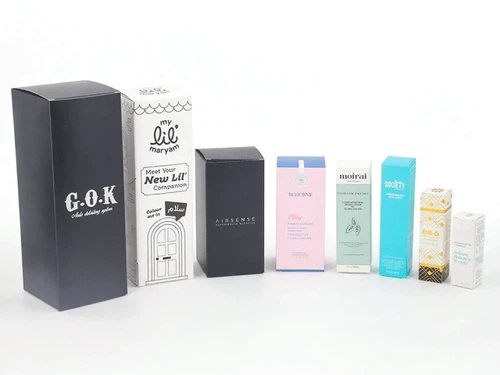
Cardboard is a general term that often refers to thick, heavy paper-based materials. In most cases, it means paperboard or chipboard.
What is a Cardboard Box?
A cardboard box is typically made from a single layer of thick paper pulp. It is lightweight, smooth, and commonly used for lightweight products.
Common Uses:
1) Cereal boxes
2) Shoe boxes
3) Cosmetic packaging
4) Game boards and gift boxes
Cardboard boxes are not designed to carry heavy loads. They offer a clean, printable surface, making them popular for retail packaging where appearance matters.
Defining Corrugated Boxes
Corrugated refers to a specific type of packaging material made from multiple layers.
What is a Corrugated Box?
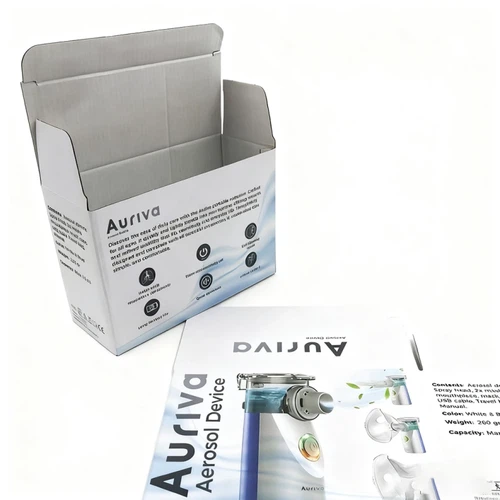
A corrugated box is made from three or more layers of paperboard. It consists of a fluted (wavy) inner layer sandwiched between two flat liners. This structure gives the box strength, rigidity, and cushioning.
Common Uses:
1) Shipping cartons
2) Moving boxes
3) Industrial packaging
4) E-commerce packaging
Corrugated boxes are designed for durability. They can withstand stacking, pressure, and rough handling during transport.
Cardboard vs. Corrugated: How They Compare
This section breaks down the key differences between the two materials across several important factors.
1) Material Composition
① Cardboard:
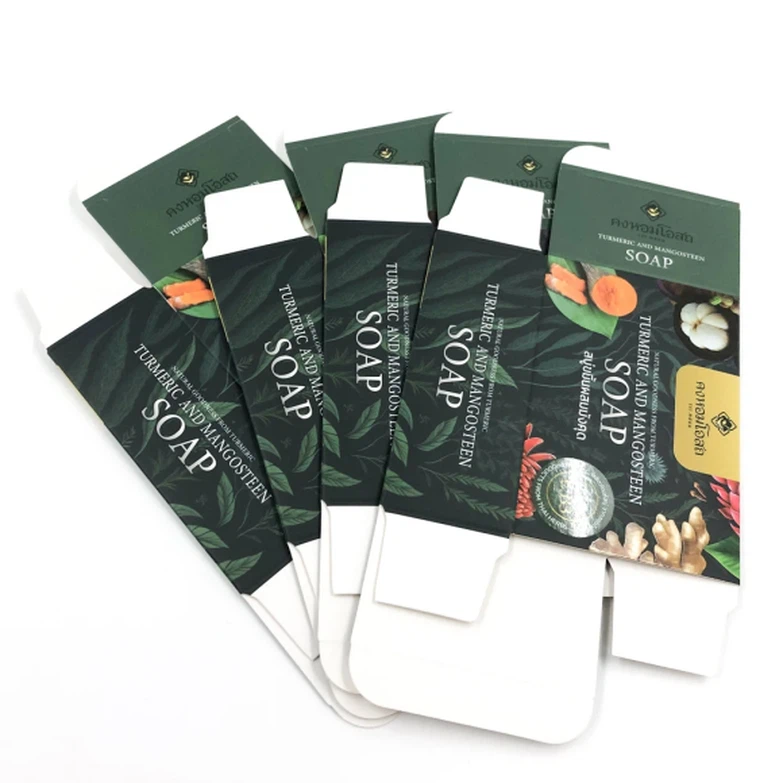
Cardboard is made from a single layer of paperboard. It is usually thin and flexible. The material is often referred to as "paperboard" or "chipboard" in the industry.
② Corrugated:
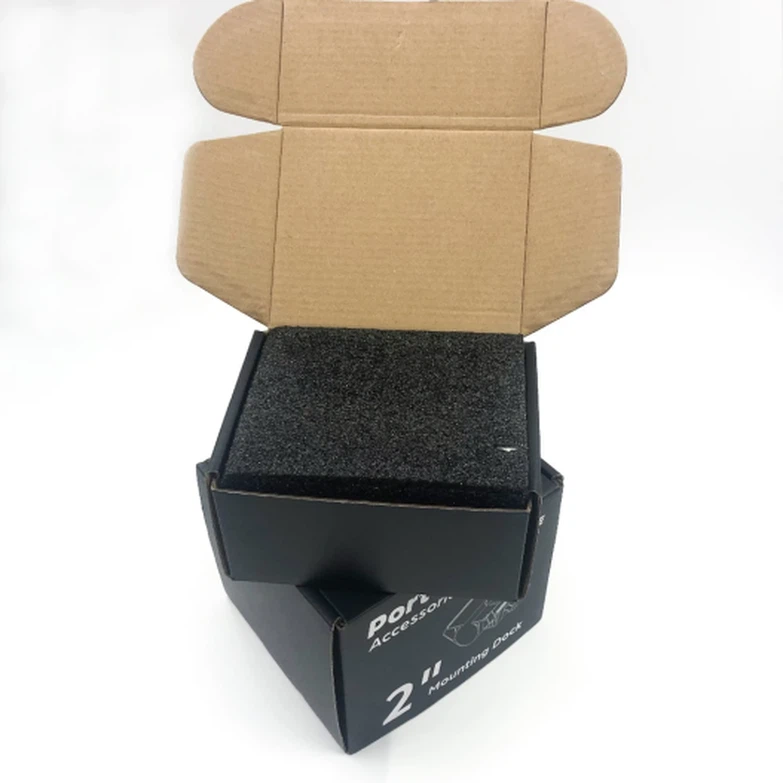
Corrugated material consists of three layers: an outside liner, an inside liner, and a fluted medium in between. The flute provides structural strength. Multiple flute sizes (A, B, C, E, etc.) offer different levels of thickness and cushioning.
2) Strength and Durability
① Cardboard:
Cardboard boxes offer light strength. They can hold small or lightweight items but are not suitable for heavy products. They can bend, tear, or collapse under pressure.
② Corrugated:
Corrugated boxes are built for strength. The flute structure absorbs impact and resists crushing. They can support heavy loads and are designed to stack during storage and shipping.
3) Cost Considerations
① Cardboard:
Cardboard is generally less expensive to produce. Because it uses less material and is simpler to manufacture, it is a cost-effective option for lightweight retail packaging.
② Corrugated:
Corrugated boxes cost more due to the additional materials and more complex manufacturing process. However, they offer greater protection and durability, which can reduce product damage and returns-saving money in the long run.
4) Environmental Impact
① Cardboard:
Cardboard is recyclable, but its fibers degrade after repeated recycling. It is often made from recycled content but may have a shorter lifecycle compared to corrugated.
② Corrugated:
Corrugated boxes are highly sustainable. They are made from renewable materials and have a high recycling rate. The fibers can be recycled multiple times before losing strength. Many corrugated boxes also contain a high percentage of post-consumer recycled content.
5) Aesthetic and Functional Customization
① Cardboard:
Cardboard provides a smooth, uniform surface that is ideal for high-quality printing. It works well for branding, colorful designs, and retail displays.
② Corrugated:
Corrugated boxes offer more functional customization. They can be manufactured in various flute sizes, thicknesses, and strength ratings. While printing quality has improved, the fluted surface may not achieve the same smooth finish as cardboard. However, modern printing technologies allow for high-quality branding on corrugated as well.
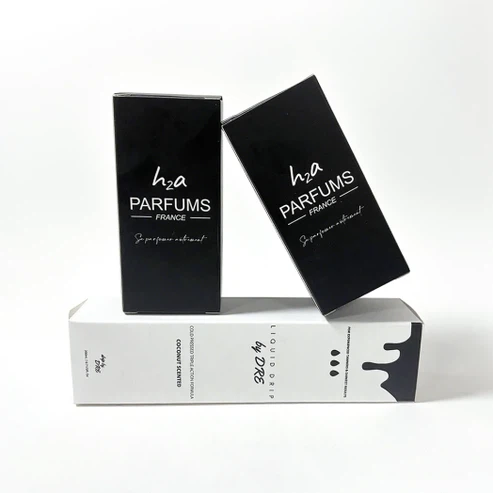

How to Choose the Right Box for Your Needs
Choosing between cardboard and corrugated depends on what you are packaging and how it will be handled.
1) Choose Cardboard If:
- You are packaging lightweight products
- Aesthetics and print quality are a priority
- The box will not be stacked or shipped long distances
- You need a low-cost solution for retail packaging
2) Choose Corrugated If:
- You are shipping products through the mail or freight
- The box needs to protect heavy or fragile items
- You need to stack boxes during storage or transport
- Durability and strength are more important than surface finish
In many cases, businesses use both: corrugated for shipping and cardboard for retail presentation.
Emerging Trends in Packaging
Packaging continues to evolve with new materials, technologies, and consumer expectations.
1) Sustainability Focus:
Both cardboard and corrugated manufacturers are increasing the use of recycled content and reducing material waste. Water-based adhesives and soy-based inks are becoming more common.
2) E-Commerce Growth:
With the rise of online shopping, corrugated boxes have become the standard for shipping. Right-sized packaging is gaining attention to reduce material use and shipping costs.
3) Printing Innovations:
Digital printing now allows for high-quality, short-run printing on corrugated surfaces. This makes it easier for small businesses to use custom-branded corrugated boxes without large minimum orders.
4) Light weighting:
Manufacturers are developing lighter corrugated boards that maintain strength while using less material, reducing both cost and environmental impact.
Conclusion
Although the terms "cardboard" and "corrugated" are often used interchangeably, they refer to very different materials: cardboard boxes are single-layer and lightweight, best suited for retail packaging where appearance and light loads matter, while corrugated boxes are multi-layered and engineered for strength, designed for shipping, stacking, and protecting products during transit. At Yucai, we understand that choosing the right packaging isn't just about material-it's about making a smart decision that balances cost, aesthetics, and durability. Whether you need the clean look of cardboard or the rugged protection of corrugated, Yucai delivers tailored solutions that save you money, reduce waste, and ensure your products arrive safely every time. Make the right choice with Yucai-because what you put inside deserves the best outside.
FAQ
(1) Is cardboard the same as corrugated?
No. Cardboard typically refers to a single layer of paperboard, while corrugated refers to a multi-layered material with a fluted inner layer.
(2) Which is stronger, cardboard or corrugated?
Corrugated is significantly stronger. The fluted structure provides durability, cushioning, and resistance to crushing, making it ideal for shipping and heavy loads.
(3) Can I recycle both types of boxes?
Yes, both are recyclable. However, corrugated boxes have a higher recycling rate and their fibers can be recycled more times before degrading.
(4) Which is more cost-effective for shipping?
Corrugated is more cost-effective for shipping because it protects products better, reducing the risk of damage and returns. While the upfront cost is higher, it often saves money in the long run.
(5) When should I use cardboard instead of corrugated?
Use cardboard for lightweight retail packaging where appearance and print quality matter, such as cereal boxes, shoeboxes, or gift boxes. Use corrugated for shipping, storage, and protecting heavier items.