



Folding Carton Vs Rigid Box For Cosmetic Packaging: Which Is Better?
 Nov 16, 2026|
This guide breaks down core differences between two common cosmetic packaging formats, so you can match your box choice to brand positioning, logistics budget and target buyer expectation.
Core Material And Structural Difference
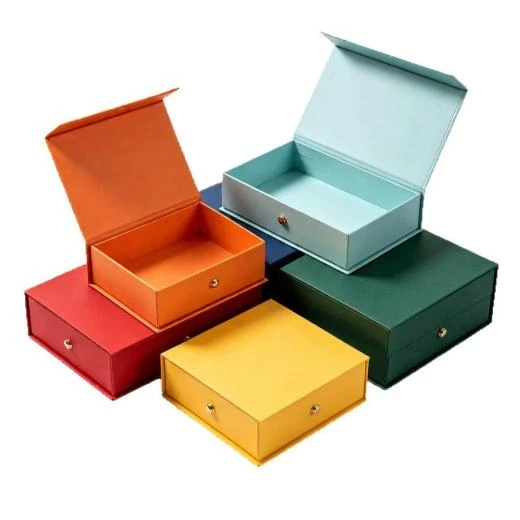
You first judge packaging performance from its base material and build style. A folding carton uses thin SBS paperboard. It is die cut, creased and designed to lie flat before filling. You fold it into shape when packing goods. It has no fixed rigid frame. A rigid box builds on thick grey chipboard. The chipboard core gets wrapped with printed surface paper. Most standard rigid boxes stay pre-assembled and hold fixed shape all the time. This basic split controls nearly all later traits, from shelf stability to freight volume.

Tactile Quality And Unboxing Experience
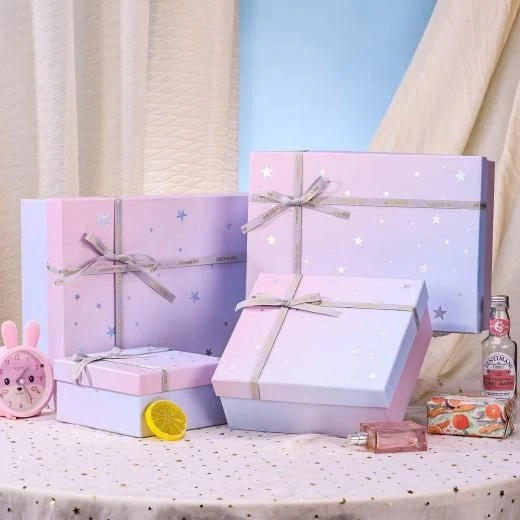
Shoppers judge cosmetic value through touch and opening flow. Folding cartons feel lightweight. They support foil stamping, spot UV and embossing, but they bend easily under squeeze. They work for clean shelf display, yet cannot deliver heavy luxury feel. Rigid boxes bring solid, weighty texture. Magnetic closure, fitted inner trays and lined inserts create a slow, premium unboxing experience. This sensory signal tells buyers the product sits at a higher price tier. If your brand sells through social media unbox clips, rigid formats give stronger visual impact.
Transport And Warehouse Storage Performance
Logistics expense often eats more budget than printing. Folding cartons ship flat. Flat packs cut dimensional weight greatly. You store thousands of blank boxes in a small warehouse zone. Your packing team can fold and fill them fast on the production line. They fit well for e-commerce fulfillment and bulk retail distribution. Standard rigid boxes take large space. Pre-built rigid boxes occupy much more pallet room. Freight bills rise quickly with large shipment batches. Only collapsible rigid variants ease this pain, though they add tooling cost. For cross-border shipping, flat folding cartons usually carry lower landed cost.
Production Budget And Unit Cost Factors
You compare total cost instead of surface price only. Folding cartons run on high-speed automatic machines. Less manual work keeps unit price low. It fits high-volume, repeat cosmetic runs. Rigid boxes need hand wrapping and assembly in most cases. Labor pushes base cost higher. Complex inserts, special lining and custom closures add extra charges. If you launch mass-market beauty lines, folding cartons help control per-unit spend. If you make limited edition collections, you accept higher rigid box cost for brand value.
Custom Print And Structure Flexibility
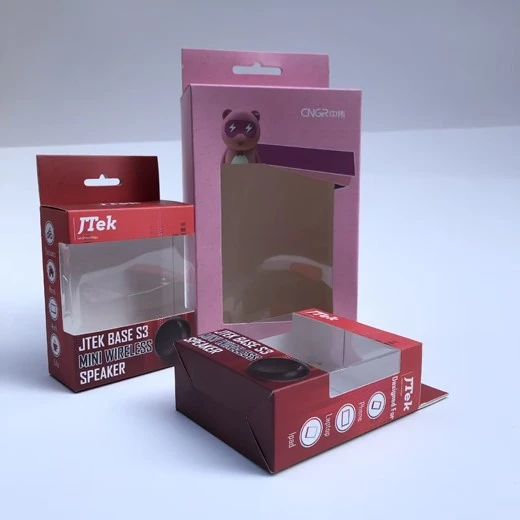
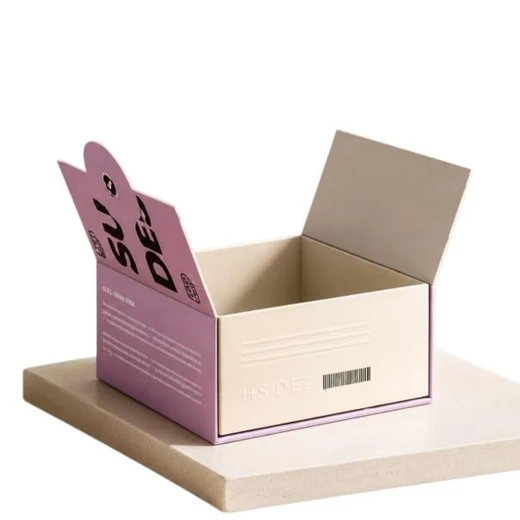
Both formats support custom decoration, but they have different limits. Folding cartons handle nearly all surface print finishes. You design window cutouts, auto-bottom locks and tuck flaps. Its main limit is thin board; it cannot hold deep, heavy inner supports without extra paper inserts. Rigid boxes support wider inner customization. You fit foam, paper tray, satin lining and multi-compartment dividers for grouped cosmetic sets. Print registration stays stable because the base shape does not shift. You can match sustainable packaging rules with both: select recycled paper and water-based coating for either style.
Best Fit For Different Cosmetic Categories
Daily Skincare Products
Serum bottles, cream jars and cleanser tubes fit folding cartons best. These items sell in large volume at mid-range price points. Folding cartons balance cost, recyclability and shelf visibility.
Color Cosmetic / Makeup
Lipsticks, eyeliners and single compacts commonly use folding cartons. If you sell high-end single foundation compacts with premium branding, a small rigid box can lift perceived value.
Premium Cosmetic Gift Sets
Multi-item bundles, holiday collections and perfume kits suit rigid boxes. Buyers treat these as gifts. The sturdy structure protects glass bottles and reinforces luxury positioning. Many brands mix formats: single units in folding cartons, full sets in rigid boxes.
Final Thought
Pick folding cartons for high-volume, budget-friendly lines, and rigid boxes for luxury gift sets. You can pair either with sharp, durable custom stickers from Yucai to strengthen branding without overhauling your main box design.
FAQ
Q1: Can Folding Cartons Reach Luxury Grade For High-Price Cosmetics?
A: Yes. Premium coating, fine foil work and precision die cuts upgrade its look, though it still lacks the solid rigid feel.
Q2: What Inner Inserts Work Well With Flat Folding Cartons?
A: Thin paper card inserts and molded pulp fit best. Thick foam inserts will break the flat packing advantage.
Q3: Do Rigid Boxes Always Weigh More Than Folding Cartons?
A: Most standard rigid boxes weigh more. Light greyboard and thin wrapping paper can reduce weight slightly.
Q4: Which Format Handles Drop Test Better For Glass Cosmetic Bottles?
A: Rigid boxes with fitted inner supports usually pass drop tests easier. Folding cartons rely fully on extra protective inserts.
Q5: Can You Switch Between Folding Carton And Rigid Box For One Product Line?
A: Yes. Many brands use cartons for core stock and rigid boxes for seasonal limited releases.
Q6: What Surface Finishes Transfer Better On Rigid Cosmetic Boxes?
A: Soft-touch lamination and deep debossing show clearer texture on rigid stable substrates.
Q7: How Does Retail Shelf Display Differ Between These Two Box Styles?
A: Folding cartons stack neatly on standard retail shelves. Rigid boxes stand out but take more shelf space per unit.