




How To Correctly Label A Parcel: Complete Step-By-Step Guide
 Sep 18, 2026|
Correct parcel labeling is the core of smooth shipping. Standard label placement and information filling help you avoid delivery delays, misdelivery and package damage in domestic and international logistics.
Core Importance Of Standard Parcel Labeling
Many shippers ignore detailed labeling rules and only stick labels casually on packages. In fact, standard parcel labeling directly determines the scanning efficiency, handling standard and delivery timeliness of your parcels. Clear, complete and properly placed shipping labels allow couriers and sorting equipment to quickly identify parcel information, greatly reducing the risk of lost packages, transit delays and item damage. Whether you ship small daily parcels or bulk commercial goods, standardized labeling is a basic and essential shipping skill.
Select Suitable Labels For Different Shipping Scenarios
You need to match exclusive labels according to your parcel type and shipping demand, instead of using a single universal label for all packages. Reasonable label selection lays a foundation for safe and accurate delivery.

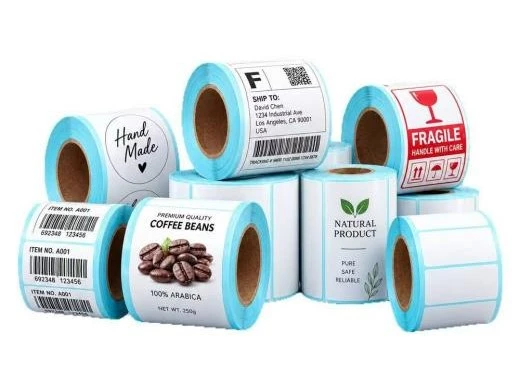
Basic Shipping Labels
Basic shipping labels are the most commonly used logistics labels for all parcels. They cover core information including sender address, recipient address, contact information and tracking barcode. You must ensure all text and barcode content is accurate and complete to support real-time parcel tracking and accurate delivery.
Functional Warning Labels
For special items, you need to paste matching warning labels. Fragile handle with care labels are suitable for glass, ceramic and electronic products to remind staff of gentle handling. This way up labels prevent liquid and fragile goods from overturning, while temperature-sensitive labels apply to perishable goods that need constant temperature storage.
Precisely Prepare Parcels Before Labeling
Good labeling effect depends on complete parcel preprocessing. Unqualified packaging and dirty surfaces will cause label falling off and fuzzy printing, affecting the whole shipping process.
Complete Package Reinforcement
You need to choose sturdy cartons or envelopes matching the parcel size. Fill gaps with bubble wrap or packing filler for fragile and loose items to avoid internal shaking and damage in transit. Ensure the whole package is firm and sealed tightly before labeling.
Clean And Sort Package Surface
Wipe the labeling area to remove dust, water stains and oil stains, keeping the surface dry and flat. Remove all invalid old labels and residual barcodes on the package to prevent sorting equipment from identifying wrong information and causing delivery errors.
Standard Steps To Paste Parcel Shipping Labels
Label pasting position and operation standard directly affect scanning recognition. Follow these standardized steps to ensure labels are firm and readable.
Confirm Optimal Label Position
You should paste the main shipping label on the largest, flattest and most visible side of the parcel. Never place labels across box seams, corners or folding edges, as these positions are easy to warp and fall off during extrusion and friction in logistics sorting.
Standard Pasting Operation
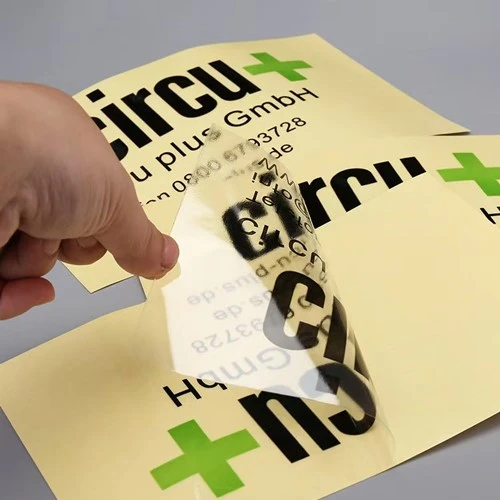
Tear off the label backing completely, attach the label flat to the reserved position, and smooth it repeatedly to eliminate internal bubbles and wrinkles. Keep the label fully fitted with the package surface without tilting or folding, ensuring the barcode and address text are completely flat for high-precision scanning.
Auxiliary Label Pasting
If your parcel has special attributes, paste functional warning labels on multiple visible sides of the package. This allows handling staff to notice special handling requirements from all angles during sorting, transportation and distribution.
Practical Skills To Fix And Protect Labels
Parcels will experience multiple handling, extrusion and weather changes in transit. You need extra protection measures to keep labels intact and clear.
You can use matte transparent packaging tape to fully cover and fix the labels. This method effectively resists moisture, abrasion and peeling. Note that you must avoid reflective tape covering the barcode area, which will lead to scanning failure and affect parcel transit efficiency. High-quality adhesive labels matched with tape protection can keep intact in long-distance and cross-regional shipping.
Labeling Methods For Irregularly Shaped Parcels
Special-shaped packages such as tubes, curved goods and ultra-flat envelopes cannot follow conventional labeling rules. You need to adjust the position according to the package structure.
For cylindrical tube parcels, paste labels longitudinally on the flattest side to ensure horizontal reading and scanning. For ultra-thin envelopes, place labels in the middle of the package, avoiding edge positions that are easy to wear. For irregular curved packages, select the largest single flat area for labeling to maximize recognition efficiency.
Key Labeling Rules For International Shipping
International parcel labeling has stricter standards than domestic logistics, involving customs clearance and cross-border inspection, which you must pay attention to.
You need to fill in customs declaration information, destination country details and commodity attributes on international shipping labels completely and accurately. Place commercial invoices and packing lists in an external transparent plastic sleeve for customs inspection. Meanwhile, check the exclusive labeling specifications of the destination country in advance to avoid customs clearance delays caused by non-compliant label size and content.

Common Problems And Maintenance For Long-Lasting Labels
To avoid label damage and invalidation in transit, you need to master targeted maintenance skills. Prioritize high-strength shipping special labels with strong adhesion, which adapt to various package materials and weather environments. Always complete labeling on a clean and dry basis, and double-check label visibility before delivery to prevent coverage by packing tapes or other accessories.
Final Thought
Standard parcel labeling guarantees efficient logistics delivery. Yucai stickers feature strong adhesion, waterproof wear resistance and clear printing, perfectly adapting to all shipping scenarios and helping your parcels deliver safely and smoothly.
FAQ
Q1: What Is The Best Temperature Environment For Pasting Parcel Labels?
A: The optimal labeling temperature is 10-25℃. Too low temperature will reduce label adhesive activity and cause falling off, while high temperature and humid environment will lead to label warping and blurry printing.
Q2: Can I Hand-Modify Wrong Information On Printed Shipping Labels?
A: It is not recommended. Manual modification will cause scanning failure and customs suspicion. You should reprint and paste a new standard label to ensure all information is original and accurate.
Q3: How To Label Waterproof Cartons With Smooth Surface?
A: Slightly wipe the surface to remove wax and water film before pasting, choose high-viscosity waterproof labels, and reinforce the edges with matte tape to prevent warping and falling off.
Q4: How Many Warning Labels Do Fragile Parcels Need At Least?
A: It is recommended to paste fragile labels on two adjacent visible sides of the parcel to ensure staff can identify special handling requirements in any placement state.
Q5: Do International Private Parcels Need Detailed Commodity Labels?
A: Yes. Private cross-border parcels also need labeled commodity name, quantity and purpose to cooperate with customs declaration and inspection and avoid clearance detention.
Q6: Is It Necessary To Cover The Whole Label With Tape?
A: It is necessary for long-distance shipping. Full coverage protects labels from rain and friction damage, but avoid covering the barcode with reflective tape.
Q7: How To Deal With Faded Parcel Labels In Transit?
A: Reserve a spare label with the same information in advance. Paste the new label on the blank position of the parcel in time to ensure continuous tracking and delivery.