




Individual Stickers Or Roll Labels: Which One Suits You Best?
 Oct 17, 2025|
When it comes to packaging and brand building, choosing the right labels or stickers is crucial. Two common options are roll labels and die-cut stickers. But what sets them apart? In this article, we will delve into the key differences between roll labels and die-cut stickers, and help you determine which option best suits your needs.
What Are Die-Cut Stickers?
die-cut stickers are custom-cut stickers based on the shape and design of your choice. They are designed to be applied to products individually. You can easily pick up a few of them, and they can even be sold separately. These stickers are usually used for merchandise, brand building, and promotional activities. They are designed to be usable indoors or outdoors for years.


What Are Roll Labels?
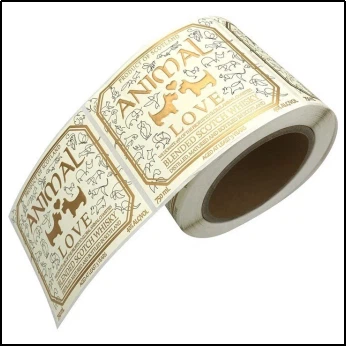
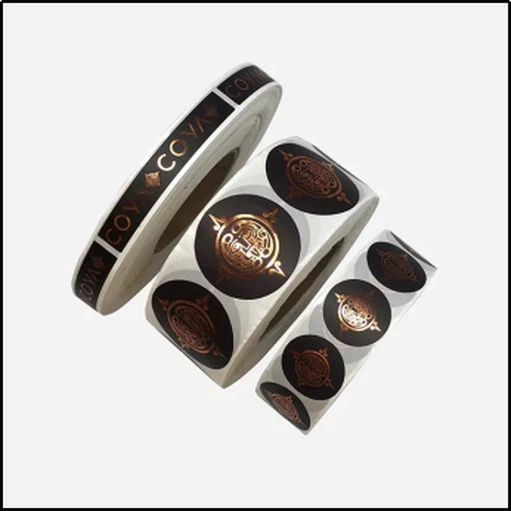
Roll labels are labels designed for quick and efficient application to products. They are commonly used for product packaging, brand building, and identification. Roll labels are engineered to have a certain level of durability and are suitable for short-term use.

Key Differences Between Die-Cut Stickers and Roll Labels
1. Die-Cut & Roll Labels: Way of Application
die-cut stickers are applied manually one by one. On the other hand, roll labels are produced in a continuous roll. They can be applied using label dispensers (our products are compatible with most standard dispensers with a 3-inch core diameter) or, for large quantities of products, even by machine.
2. Die-Cut & Roll Labels: Durability Differences
die-cut stickers are designed to withstand outdoor elements and can last for years. While roll labels are durable enough to resist a certain amount of wear and tear, they are primarily designed for short-term indoor use.
Which one Is Best for You?
The decision between roll labels and die-cut stickers depends on your specific needs and applications. If you need a label that can be applied continuously in a quick and efficient manner and is durable enough for short-term indoor use, then roll labels may be your choice. However, if you are looking for a promotional item that can be distributed individually and offers long-lasting durability (whether indoors or outdoors), then die-cut stickers may be more suitable.
Material Differences Between Die-Cut Stickers and Roll Labels
Material choices for die-cut stickers and roll labels are tailored to their core uses, creating clear functional gaps.
Die-cut stickers prioritize long-term durability, so they often use vinyl or polyester as base materials. custom vinyl stickers resists water, UV rays, and scratches-critical for outdoor use like laptop decals or storefront displays-while polyester adds extra tear resistance, making it ideal for high-wear items like water bottles. Many also have a protective laminate layer to lock in designs, ensuring colors stay vibrant for years. For indoor promotional use (e.g., gift bag /label sticker printing), some die-cut options use thick, coated paper, but even these often include a waterproof top layer to avoid smudging.
Roll labels, by contrast, focus on compatibility with machine application and short-term use, leading to different material picks. The most common is BOPP (biaxially oriented polypropylene), a lightweight plastic that stays flat on rolls-perfect for smooth, continuous machine labeling. It's moisture-resistant enough for indoor products (like cereal boxes) but lacks the heavy-duty coating of die-cut vinyl. Paper-based roll labels are also popular, especially for food packaging; they're thinner, cost-effective, and adhere well to curved surfaces, though they're not designed for long-term exposure to moisture or friction. Both BOPP and paper roll labels use low-tack to medium-tack adhesives-strong enough to stay on during product shelf life, but not overly sticky to complicate machine application.
convenience of Replacement: Die-Cut Stickers vs. Roll Labels
1. Die-Cut Stickers: Flexible Single-Piece Replacement
Die-cut stickers excel in replacement convenience for single or small-batch items. Since they are designed as individual units, replacing one sticker only requires peeling off the old one and applying a new one-no need to handle bulky rolls or adjust equipment. For example, if a handmade craft's logo sticker is smudged, you can swap it out with a new die-cut sticker in seconds without wasting extra labels. This flexibility also works for items with irregular surfaces or small production runs, where replacing just a few units (instead of an entire batch) saves time and reduces waste.
2. Roll Labels: Limitations in Batch Replacement
Roll labels face more hurdles when it comes to replacement. As continuous rolls, they rely on machines or dispensers for application-replacing them means stopping the labeling process to reload a new roll, adjust machine settings, or trim unused portions of the old roll. If a roll label has a design error or needs updating mid-production, the remaining labels on the current roll are often unusable, leading to material waste. Even for small fixes (like correcting a price tag), you can't just replace one label; you have to work with the roll's continuous format, which slows down efficiency.
3. Scenario-Specific Replacement Suitability
The convenience of replacement ultimately depends on your use case. For products that need occasional, single-unit fixes (e.g., promotional giveaways, small-batch crafts), die-cut stickers are far more convenient. For large-scale, stable production (e.g., mass-produced snacks, bottled drinks) where label designs rarely change, roll labels' replacement drawbacks are less impactful-since you'll only need to replace rolls when they're fully used up, not for frequent tweaks.
Die-Cut Stickers vs. Roll Labels: Cost Comparison
Cost discrepancies between die-cut stickers and roll labels stem primarily from order volume, customization needs, and application requirements. For small-batch orders (e.g., 500 units or fewer), die-cut stickers offer better cost-efficiency: they bypass the high setup costs tied to roll label production, even though their per-unit price is higher than that of roll labels for large-volume runs. This makes them ideal for businesses testing promotions or catering to niche product lines.
Roll labels excel for high-volume orders (1,000 units or more), thanks to economies of scale. Their continuous roll-based production lowers per-unit costs, while machine application also trims labor expenses-critical for mass-produced goods like bottled beverages or packaged snacks. However, roll labels can incur additional costs if you lack existing equipment: specialized dispensers or labeling machines (even basic models) add upfront investment that die-cut stickers don't require.
Customization further influences costs. Die-cut stickers typically charge extra fees for complex shapes (e.g., brand mascot outlines or irregular logos), as custom cutting dies or digital precision work increases production time. Roll labels, by contrast, are mostly limited to standard shapes (rectangles, circles, ovals) and have little to no additional cost for basic designs. Overall, die-cut stickers are more cost-friendly for small batches, while roll labels deliver greater savings for large-scale production.
In summary, Die-cut stickers and roll labels are key for packaging and branding, with clear differences. Die-cut stickers are custom-shaped, applied manually one by one, durable for indoor/outdoor use (vinyl/polyester materials), easy to replace individually, and cost-effective for small batches (≤500 units), ideal for promotions. Roll labels are continuous, machine-applied via dispensers, short-term indoor-use (BOPP/paper), hard to replace in batches, and economical for large orders (≥1000 units), suited for mass production. Choose based on your volume, durability needs, and application scenario.