




The Complete Guide To All Calendar Sizes: Choosing The Perfect Fit For Your Needs
 Apr 23, 2026|
Calendars come in all shapes and sizes. A wall calendar that works in a home kitchen may feel wrong in a cramped office. A pocket calendar that fits a purse may be too small for a sales team that writes daily notes. Choosing the right size affects how customers use your product, how much value they get, and whether they reorder. This guide covers every common calendar size, what each is best for, and how to choose the right fit for your business.
1. Why Calendar Size Matters
Size matters for usability, visibility, and perception. Too large may not fit; too small limits writing and readability. It also affects costs-larger calendars use more paper and shipping, while smaller ones save money but offer less space. Balance function, appearance, and budget accordingly.
2. Standard Calendar Sizes at a Glance
Before diving into detailed descriptions, here is a quick overview of the most common calendar sizes you will encounter:
|
Size Category |
Typical Dimensions |
Best For |
|
11" x 17", 12" x 24" |
Kitchens, offices, classrooms |
|
|
5" x 7", 8.5" x 11" |
Workstations, home offices |
|
|
Pocket calendar |
3.5" x 6", 4" x 7" |
Bags, backpacks, briefcases |
|
Mini calendar |
2" x 3.5" |
Keychains, wallets, small purses |
|
Poster calendar |
18" x24" |
Studios, garages, large wall spaces |
This table gives you a starting point. The following sections explore each category in greater detail, including less common sizes and specialty options.
3. Popular Calendar Sizes
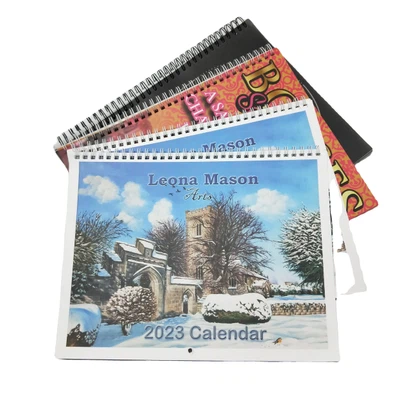
(1) Wall Calendar Sizes
- 8" x 11" (small) – Tight spaces like narrow kitchen walls or cubicles
- 11" x 17" (standard) – Most homes, offices, and classrooms; the most common size
- 12" x 24" and above (large) – Shared family schedules, team projects, large wall spaces
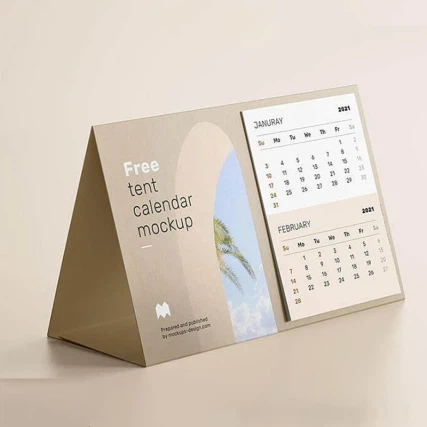
(2) Desk Calendar Sizes
- 5" x 7" (compact) – Small desks, next to a keyboard, light note-taking
- 8.5" x 11" (standard) – Professional workspaces, daily task lists, easy readability
- 6" x 9" (spiral-bound) – Portable, lays flat, good for teachers or mobile workers
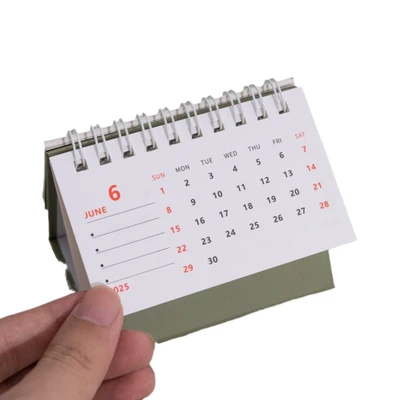
(3) Pocket Calendar Sizes
- 3.5" x 6" (wallet-size) – Fits in wallets or small purses, quick reference
- 4" x 7" (standard pocket) – Bags and larger pockets, slightly more writing room
- 3" x 5" (passport-style) – Extremely portable, minimal daily tracking
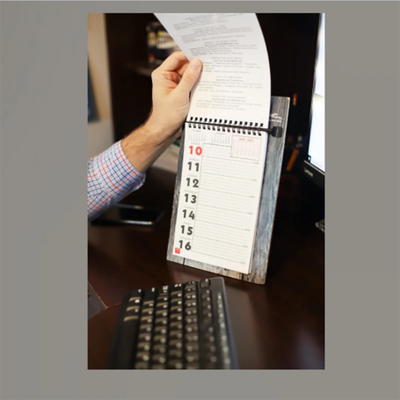
(4) Specialty Calendar Sizes
- 18" x 24" (poster) – Studios, garages, classrooms; visibility from a distance
- 2" x 3.5" (mini) – Promotional giveaways, keychains, quick date reference
- 4" x 6" (magnetic) – Refrigerators, filing cabinets, easy repositioning
4. Factors to Consider When Choosing a Calendar Size
Selecting the right calendar size involves more than picking a standard dimension. Consider these four factors carefully.
(1) Intended Use and Placement
Think about where your customers - whether Amazon sellers or corporate buyers - will use these calendars. A busy family kitchen needs a large wall calendar that everyone can see and write on. A cramped dorm desk needs a compact size that doesn't crowd the workspace. A traveling salesperson needs a pocket calendar that fits in a bag. Single users need less space; shared calendars need room for multiple schedules.
(2) Available Space
Measure your space before choosing a size. A wall calendar that is too wide may overlap a door frame or light switch. A desk calendar that is too deep may push your keyboard into an uncomfortable position. Also check orientation-portrait vs. landscape-to ensure it fits your wall or desk layout.
(3) Writing and Reading Needs
How much do you write each day? If you only note one or two appointments, a small pocket calendar works fine. If you track multiple tasks and reminders daily, you need a larger wall or desk calendar with ample writing space. Also consider reading distance: calendars viewed from across a room need larger fonts and high contrast, especially for seniors or those with vision challenges.
(4) Printing and Budget Constraints
Larger calendars cost more to print and ship because they use more paper, ink, and heavier packaging. Standard sizes like 11" x 17" wall calendars or 8.5" x 11" desk calendars are more economical since printing presses are optimized for them. Custom sizes may require special setup fees, and large formats like poster calendars need rigid mailers that add to shipping costs.

5. Conclusion
Choosing the right calendar size comes down to matching dimensions to your real-world needs. Wall calendars work best for shared spaces and distance viewing. Desk calendars fit workspaces where daily writing happens. Pocket calendars prioritize portability. Start by identifying where the calendar will live and who will use it, then consider writing space needs and budget. The perfect size is the one you actually use every day-because a calendar that is too large or too small will likely end up ignored in a drawer. Whatever size you choose, Yucai offers professional printing with durable binding, vibrant colors, and competitive pricing. No matter your calendar needs, Yucai can bring them to life.
FAQ
Q: What is the most common calendar size for home use?
A: The 11" x 17" wall calendar is the most common size for home use. It fits well in kitchens, home offices, and family common areas while providing enough writing space for daily notes.
Q: Can I print a custom calendar size that is not listed here?
A: Yes, many printing companies offer custom sizing. However, custom sizes often cost more because they require special cutting and may not fit standard paper dimensions. Always ask about setup fees before ordering custom sizes.
Q: What is the best calendar size for a small desk?
A: A compact desk calendar measuring 5" x 7" or a spiral-bound 6" x 9" calendar works best for small desks. These sizes leave room for a computer, phone, and other essentials while still providing usable writing space.
Q: Are magnetic calendars reusable year after year?
A: No, most magnetic calendars are printed for a specific year. However, some dry-erase magnetic calendars allow you to write and erase dates manually. These reusable versions are less common but available from specialty retailers.
Q: What calendar size do most businesses use for promotional giveaways?
A: Pocket calendars (3.5" x 6") and mini calendars (2" x 3.5") are the most popular promotional sizes. They are inexpensive to print, easy to mail, and small enough for customers to keep in wallets, bags, or on keychains.