




When We Use Holographic Stickers?
 Sep 24, 2025|
In the fields of modern packaging, branding and security, the emergence of holographic stickers is not merely for decoration; they are dynamic tools that combine striking visual appeal with practical functionality. The feature of these stickers is that they can reflect the light in the rainbow color spectrum, creating three-dimensional or moving pattern effects. These stickers have transcended the traditional label role and become an indispensable part of many industries. Have you noticed that they are shining on the seals of high-end cosmetic packaging boxes, protecting the authenticity of high-end electronic products.
Anti-Counterfeiting & Authentication for Products
Among the various functional roles of holographic stickers, their application in anti-counterfeiting and product certification stands out as one of the most crucial applications, addressing the urgent need for trust in the global supply chain. Counterfeit products, ranging from substandard electronic products to dangerous fake drugs, not only cause economic losses to brands but also pose a significant risk to consumer safety. Holographic stickers utilize their inherent complex and hard-to-replicate technology to counter this threat. Unlike ordinary labels, they can be easily replicated with basic printing equipment.
In addition to their complexity, holographic stickers can also serve as tamper-proof guardians. Many of them are designed to disassemble, leaving behind permanent "ineffective" residues, or if someone attempts to peel them off and reapply them to counterfeit goods, they will lose their holographic effect. This means that retailers and consumers can quickly verify the authenticity of products-for example,a intact holographic seal on a luxury handbag can confirm that the item is genuine, while a damaged or lost sticker immediately indicates the possibility of fraud. The major industries rely on this function: electronic brands use holographic labels on device batteries to ensure that customers receive genuine components, pharmaceutical companies attach them to drug packaging to prevent counterfeit drugs from circulating, and alcohol manufacturers attach them to bottle caps to prevent inferior alcohol from being refilled into genuine containers. Essentially, holographic stickers have changed the world

Branding & Marketing Enhancement
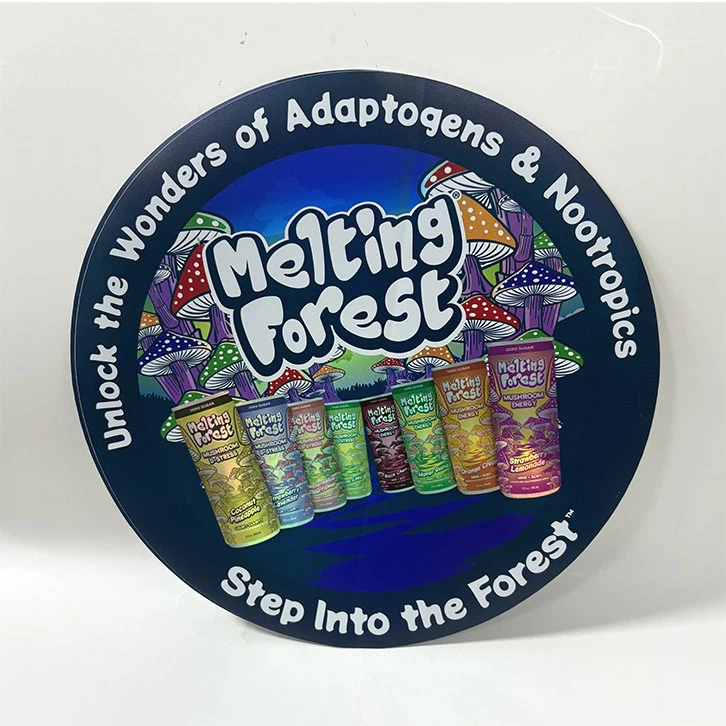
For branding and marketing, holographic stickers are a game-changer-they turn plain visuals into eye-catching focal points that boost brand recall. Unlike flat, static designs, their iridescent glow and 3D shifting effects make products stand out on store shelves: a skincare brand's logo on a holographic sticker, for example, shimmers under light, drawing shoppers' attention faster than regular labels. More importantly, they bring brand art to life-intricate illustrations, mascots, or pattern details that might feel flat in print gain depth and dynamism with holography. A For instance, in the children's clothing series, a cartoon character can be transformed into a holographic sticker. When tilted, it will "move", making young customers feel that this design is very interesting and energetic. This not only makes the brand more memorable, but also creates an emotional connection - consumers associate the vibrant interactive experience with the brand, enhancing loyalty and driving word-of-mouth promotion. Whether used for product packaging, promotional items or social media giveaways, holographic stickers can transform brand art from static images into captivating and shareable moments, thereby enhancing marketing influence.
Decorative & Aesthetic Uses for DIY Projects
Apart from commercial uses, holographic stickers shine in personal DIY projects, adding a whimsical high-gloss touch to everyday items. Artisans like to use them to customize logo sticker printing - small holographic stars or floral stickers peek from the edge of the page, turning ordinary notebooks into personalized souvenirs. They have also elevated the quality of handmade gifts: pasting holographic initials on gift boxes or wrapping paper, or adding tiny holographic decorations to knitted scarves or painted cups, making the gifts feel more thoughtful and visually appealing. Even tech accessories can glow - the covers of laptops or phone cases are decorated with this luminescent material. Take item labels as a common case-holographic stickers add both style and functionality here. For everyday items like homemade candle jars, a small holographic label printed with the scent name shimmers when placed on shelves, making the DIY product look more polished than plain paper labels. For valuable items like vintage vinyl records or handcrafted jewelry, holographic labels work even better: they can include tiny 3D logos or unique serial number holograms. Not only do these labels make the items stand out to collectors, but they also act as a simple authenticity mark-buyers can quickly tell if a vintage record's holographic label is intact and has the correct shifting pattern, avoiding fake or tampered pieces. Whether for casual DIY goods or special collectibles, holographic stickers turn basic item labels into something that's both eye-catching and trustworthy.
Security Labeling for Documents & Assets
Security labels are a key practice in information security, aiming to classify, track and protect sensitive documents and physical/digital assets from unauthorized access, disclosure or abuse. The core purpose is to create clear visibility into the value and risk level of each asset, enabling organizations to apply appropriate security controls, such as access restrictions, encryption or storage protocols, based on the sensitivity of the assets.
For documents, whether digital or physical, labels typically include key metadata: classification level , owner name, creation date, and handling instructions . Digital documents often use embedded labels, that persist even when shared, while physical documents may have visual markers or barcodes for tracking.
For assets-including hardware , software , and data repositories (cloud storage, databases)-labels focus on asset type, location, assigned user, compliance requirements , and lifecycle status (active, retired, under maintenance). This helps IT and security teams monitor asset usage, detect anomalies (e.g., a restricted laptop connecting to an untrusted network), and ensure timely updates or decommissioning.
Effective security labeling requires a standardized framework: first, define classification criteria tailored to the organization's industry. Next, train employees to apply labels correctly-mistakes like misidentifying a Confidential document as Public can undermine security. Finally, leverage automation tools to scan, label, and enforce policies consistently, reducing human error.
In an era of increasing data breaches and regulatory scrutiny, security labeling is not just a compliance measure but a foundational step in mitigating risks. It empowers organizations to make informed decisions about resource allocation, streamline security workflows, and safeguard their most valuable assets.


Conclusion
Holographic stickers are universal and can be used in commercial, personal and security environments because of their rainbow-like appeal and anti-counterfeiting features. In business, brands apply them to product packaging (cosmetics, electronic products, beverages) to enhance visual appeal, stand out on the shelves, and convey a signal of quality - their ever-changing rainbow-like luster immediately catches people's attention. They can also serve as security tools: Their complex and hard-to-replicate holographic patterns can verify goods (such as medicines and luxury goods) and prevent counterfeiting, protecting brands and consumers. In short, their blend of aesthetics and functionality makes them useful for branding, protection, decoration, and organization.