




Beyond The Hardback: Softcover Printing Trends For 2026
 Jun 01, 2026|
Softcover Book Printing is very popular right now. These books feel like a magazine but last much longer. Many people want to print their own softcover books. This guide will help you understand the process. You will learn about binding, paper, design, color, and more. Let us get started.
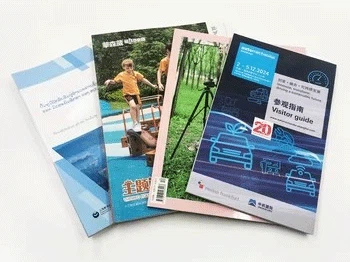
1. Binding and Cover Strength Make Your Book Last
A softcover book has a flexible paper cover. It is not hard like a hardback book. The cover bends when you hold it. This makes the book feel light and easy to carry. Even single book printing is possible with modern technology. You do not need to order hundreds of copies at once. Most softcover books use perfect binding or PUR binding. PUR binding is the best choice for quality. PUR stands for polyurethane reactive. It is a strong type of glue. Standard perfect binding uses regular glue. PUR binding uses a much stronger adhesive. This glue stays flexible after it dries. Your book can open flat without breaking the spine. The pages will not fall out over time. PUR binding also works well with thick or coated paper. If you want a softcover book that lasts for years, pick PUR binding. It costs a little more, but the quality is worth it.
The cover of a softcover book also needs to be sturdy. A thin cover will bend and wear out fast. A thick cover stays nice for much longer. Many people look for cheap book printing options. But a very low price often means low quality. You want a balance between cost and quality. Most professional softcover books use a cover that is 250gsm to 300gsm thick. This weight feels solid but still flexible. Some printers also add a coating to the cover. A matte coating makes the cover soft to touch. A gloss coating makes colors pop more. Both coatings protect the cover from scratches and small spills. A good cover keeps your book looking new for years. The spine also matters, especially if you put the book on a shelf. Make sure your text on the spine is readable. A clean, simple cover design works best for most softcover books.
2. Paper Choice Changes the Whole Look and Feel
The paper you pick changes how your book looks. Thin paper feels cheap. Thick paper feels premium. Good book printing services offer many paper options for you to choose from. You have several good options to choose from. Satin paper has a soft, low-shine finish. It is a good all-around choice for most books. Satin works well for both color and black and white images. It does not create too much glare. Many professional publishers use satin paper for their books.
Matte paper has no shine at all. It feels smooth and looks very natural. This works great for black and white books or fine art publications. Matte paper gives a soft, artistic feel to your book. It is also very easy to read text on matte paper because there is no glare. Luster paper has a slight texture and a little shine. It sits between satin and glossy. Luster adds a bit of sparkle without being too shiny. It also hides fingerprints better than gloss paper. Your paper choice should match the content of your book. A travel book with bright pictures might look best on satin. A novel with only text might look best on uncoated offset paper. Think about your content before you decide.
The number of pages also changes how your book feels and works. A very thin book with 20 pages feels flimsy. A very thick book with 200 pages may not lay flat. The sweet spot for most softcover books is between 40 and 120 pages. This range gives you enough room to tell your story. It also keeps the book easy to hold and read. If you need more pages, PUR binding can handle it. But remember that more pages also add weight and cost. Pick a page count that fits your content, not just a round number.
3. Cover Design Should Grab Attention Right Away
Your cover is the first thing people see. A good cover makes them want to open the book. A bad cover makes them put it down. You only get one chance to make a first impression. So spend time on your cover design. Custom book printing lets you create a cover that is unique to you. Use a strong, beautiful image on the front. That image should be the best one in your whole book. It should make people curious about what is inside. Keep the title easy to read. Use a clear font that matches the mood of your content. Do not crowd the cover with too many words or images. A busy cover looks messy and confusing.
The back cover can have a short description or a second image. You can also add a small author bio or a barcode if you plan to sell the book. Keep the back cover clean and simple too. The spine also matters, especially if you put the book on a shelf. Make sure your text on the spine is readable from a distance. Use a big enough font size. The title should go from top to bottom or bottom to top. Most books put the title from top to bottom. A clean, simple cover design works best for most softcover books. Look at other softcover book printing examples you like. See what works about their covers. Then use those ideas in your own design.
4. Inside Layouts and Resolution Keep Your Book Sharp
The inside pages need a good layout too. Do not just drop images onto the page. Think about how people will look at them. A full-page image feels big and important. This is great for a single stunning visual that you want people to study. Two small images on one page feel like a pair. They work well when two visuals are connected in some way. You can also add white space around an image. White space gives the image room to breathe. It makes the book feel calm and well designed. Avoid putting too many images on one page. That looks messy and hard to follow. Four or five small images on one page can feel cluttered. Let each visual have its own moment. Your readers will enjoy the book much more.
Blurry images ruin a book. Every image you use needs a high resolution. The standard is 300 dots per inch, or DPI. This means every inch of your image has 300 dots of color. Low resolution images look pixelated and soft. You can check your image's resolution in any photo editing software. Most phone images are 72 DPI. That is fine for screens but too low for printing. If an image is too small, do not stretch it bigger. Stretching makes it look worse. Use only high quality images from the start. A 300 DPI image at the size you want to print it will look sharp and professional. Your book will look good on every single page. Custom softcover book printing gives you full control over every detail of your layout.
5. Color Accuracy and Proofreading Save You from Mistakes
A softcover book is only as good as its colors. If the colors look wrong, the book looks bad. Good printers use color management systems. They check that what you see on your screen matches what comes out on paper. You can help by using the right color settings. Set your software to CMYK instead of RGB. CMYK is the color mode for printing. RGB is for screens. They produce colors very differently. An image that looks bright on your screen might look dull in print if you use the wrong mode. Also, calibrate your computer screen. A screen that is too bright or too dark will fool your eyes. You can buy a simple screen calibration tool. Or you can ask a professional printer to help you check your colors.
Before you print, you need to prepare your files. Most printers have an online upload system. You send them your PDF or image files. Always check everything twice before you click submit. Look for typos in your text. A wrong date or a misspelled name looks very unprofessional. Look for images that are upside down. Look for pages that are out of order. Then ask a friend to look too. A second pair of eyes catches mistakes you might miss. Some printers also offer a free digital proof. That is a PDF that shows how your book will look. Review it carefully on a good screen. Zoom in to check the edges and the text. Once you approve the proof, the printer starts the job. So take your time on this step. Rushing leads to regret.
If you have never printed a softcover book before, order a sample first. A sample is one copy of your book. It costs much less than a full order. You can hold it in your hands. You can feel the paper and the cover. You can check the colors and the binding. This is the best way to find problems before you spend a lot of money. If the sample looks great, then order your full batch. If it has issues, fix them and order another sample. A little patience here saves you from a big regret later. Even professional publishers order samples before they do a large print run. Softcover photo book printing follows the same quality rules as any other softcover book.
6. Storage and Care Keep Your Books Beautiful for Years
Once you have your softcover books, take care of them. A well made book can last for decades. But poor storage can ruin it fast. Keep your books away from direct sunlight. Sunlight fades the colors over time. Even a few months in a sunny window can damage a book. Store them in a cool, dry place. Too much heat or humidity can weaken the glue in the binding. A damp basement or a hot attic are bad places for books. Do not stack heavy things on top of them. Heavy weight can bend the covers and crush the spines. If you stack books, put the heaviest ones at the bottom. Keep the stack no more than five or six books high.
If you give books as gifts, tell your friends these same tips. Many people do not know how to care for softcover books. A little advice helps them enjoy the book longer. For display, put the book on a coffee table or a shelf away from windows. You can also keep it in a drawer or a box when you are not looking at it. If the cover gets dirty, wipe it gently with a soft, dry cloth. Do not use water or cleaning sprays. Those can damage the coating on the cover. For the pages, handle them with clean, dry hands. Oils from your fingers can leave marks on pages over time. A well cared for softcover book can last for decades. Your content deserves that kind of care. The softcover book printing price you pay is an investment in something that can last a very long time.
7. Different Formats for Different Needs
Not every softcover book is the same. Some are thick. Some are thin. Some are full of pictures. Some have only text. You should pick the format that fits your project. Softcover booklet printing is a great choice for thin publications. A booklet usually has fewer than 48 pages. It is light and easy to mail. Many businesses use booklets for product catalogs or event programs. Booklets cost less to produce than thick books. They are also easier to carry around.
For longer works, a standard softcover book works better. The softcover book printing cost depends on many factors. Page count, paper quality, cover type, and order quantity all change the final price. A thin booklet with a simple cover costs very little. A thick book with premium paper and a special cover costs more. You should always ask for a quote before you start your project. A good printer will give you a clear breakdown of all the costs. That way you know exactly what you are paying for. No hidden fees. No surprises.
Looking for a trusted partner for your softcover books? Shanghai Yucai Printing Company is here to help. We specialize in high quality softcover book printing for authors, publishers, businesses, and families. We use PUR binding to make your books strong and long lasting. You can choose from many paper options, including satin, matte, luster, and uncoated offset paper. Our team helps you pick the right cover weight and coating for your project. We offer free digital proofs so you can check your design before we print. Need a sample first? We can print just one copy for you to review. Once you approve, we produce your order with care and speed. Our prices are fair, and our quality is excellent. Whether you need 10 books or 1,000 books, we are ready to help. Contact Shanghai Yucai Printing today. Get a free quote and turn your softcover book dream into a real product you can hold.
FAQ
FAQ 1: Do you have a minimum order quantity?
No, we do not have a minimum order quantity. You can order just one book. However, the more you order, the lower the price per book becomes. Larger orders give you better value.
FAQ 2: What paper and cover options do you recommend?
We offer coated paper, offset paper, and wood-free paper for inside pages. For the cover, we offer softcover and hardcover options. You can also add matte or gloss lamination for extra protection. We can help you pick the best option for your project.
FAQ 3: What binding methods do you offer?
We offer perfect binding, PUR binding, saddle stitching, and spiral binding. Perfect binding is our most popular choice. PUR binding is stronger and lets the book open flat. Tell us how you will use the book. We will recommend the best binding.
FAQ 4: How long does production take? How do I get a quote?
Production usually takes about 7 working days. The exact time depends on your order quantity and binding choice. For a quote, send us your page count, size, paper choice, cover type, binding, and quantity. We will reply within 24 hours with a clear price.