




How To Choose Materials For Your Custom Box Packaging
 Sep 22, 2025|
When selecting materials for custom box packaging, understanding the unique characteristics of each option is key to matching your product's needs (e.g., protection, branding, cost). Below is a detailed comparison of three common materials-corrugated boxes, paper card boxes, and rigid boxes-evaluated by their advantages, limitations, and ideal use scenarios.
Corrugated Box
Corrugated cartons are composed of two flat outer layers (inner lining boards) with grooves (wavy) in between. Grooves (for example, grooves A, B, C, E) determine the strength and thickness, making their height custom for protection.
Advantages
Exceptional protection: The groove structure can absorb shock, vibration and impact during transportation, making it an ideal choice for fragile or heavy items. Thicker flutes (such as Type a flutes) offer the greatest cushioning, while thinner ones (such as Type e flutes) balance protection and slenderness.
Cost-effective for large volumes: Corrugated material is lightweight and affordable to produce, especially for bulk orders. Its low weight also reduces shipping costs (since carriers often charge by weight).
Eco-friendly and recyclable: Most corrugated boxes are made from recycled paper and are fully recyclable after use. They can also be composted in industrial facilities, aligning with sustainable branding goals.
Highly customizable: It can be printed with full-color designs, logos, or shipping labels (via offset, flexographic, or digital printing). It also supports die-cutting for custom shapes (e.g., mailer boxes with tear strips).
Lightweight yet durable: Unlike rigid materials, corrugated boxes add minimal weight to the product, reducing logistics costs without sacrificing structural integrity.
Limitations
Limited premium appearance: The textured, paper-based surface lacks the sleek, luxury look of rigid boxes. It may not be suitable for high-end products where packaging needs to elevate brand perception.
Prone to moisture: Uncoated corrugated paper is prone to absorbing water, which weakens its structure. Although waterproof coatings (such as polyethylene) can alleviate this problem, they increase costs and reduce recyclability.
Less durable for long-term storage: If exposed to repeated handling or humidity, corrugated boxes may crush or lose shape over time. They are designed for short-term shipping rather than permanent display.
Ideal Use Scenarios
E-commerce shipping: For products like electronics, home goods, toys, or kitchenware that need protection during transit.
Bulk packaging: Shipping large quantities of items (e.g., cases of beverages, wholesale clothing) where cost and weight efficiency matter.
Moving or storage: Temporary storage of household items (e.g., books, dishes) due to its shock-absorbing properties.
Promotional or seasonal packaging: Budget-friendly options for limited-time products (e.g., holiday gift sets, sample boxes) where branding is important but luxury is not a priority.


Paper Card Box
Paper card boxes are made from single-layer or multi-layer paperboard (e.g., solid bleached sulfate/SBS, kraft paperboard). They are thinner and lighter than corrugated boxes, with a smoother surface for printing.
Advantages
Sleek, print-friendly surface: The smooth paperboard accepts high-quality printing (e.g., UV coating, embossing, foil stamping), making it perfect for showcasing detailed designs or branding. SBS paperboard, for example, offers a bright white base for vibrant colors.
Lightweight and space-efficient: It is thinner than corrugated or rigid materials, so unassembled boxes can be flat-packed to save storage space (critical for small businesses with limited warehouse room).
Cost-effective for small to medium volumes: Cheaper than rigid boxes and more affordable than premium corrugated options, making it suitable for startups or products with tight budgets.
Versatile for small products: Its slim profile works well for lightweight items, and it can be folded into various shapes (e.g., tuck-top boxes, sleeve boxes, pillow boxes).
Eco-friendly options: Kraft paperboard (made from unbleached wood pulp) is recyclable and has a natural, rustic aesthetic that appeals to sustainable brands.
Limitations
Low impact resistance: The single-layer structure provides minimal protection against drops, crushing, or moisture. It cannot support heavy items or fragile products (e.g., glass, electronics) without additional padding (e.g., bubble wrap).
Limited structural strength: It may deform under pressure, so it is not suitable for stacking or shipping bulky items.
Not ideal for long-term use: Thin paperboard can tear or wear out with repeated opening and closing, making it a poor choice for reusable packaging.
Ideal Use Scenarios
Small, lightweight consumer goods: Cosmetics (e.g., lipsticks, eyeshadow palettes), stationery (e.g., notebooks, pens), snacks (e.g., chocolate bars, granola packs), or pharmaceuticals (e.g., pill bottles).
Retail display packaging: Products sold in physical stores (e.g., toys, gadgets) where the box needs to attract customers with bright designs and fit on standard shelves.
Sample or trial packaging: Small-sized boxes for product samples (e.g., skincare sachets, perfume vials) where cost and portability are key.
Gift boxes for small items: Budget-friendly gift packaging for jewelry (e.g., earrings, necklaces) or small accessories (e.g., hair clips), especially when paired with tissue paper for a polished look.

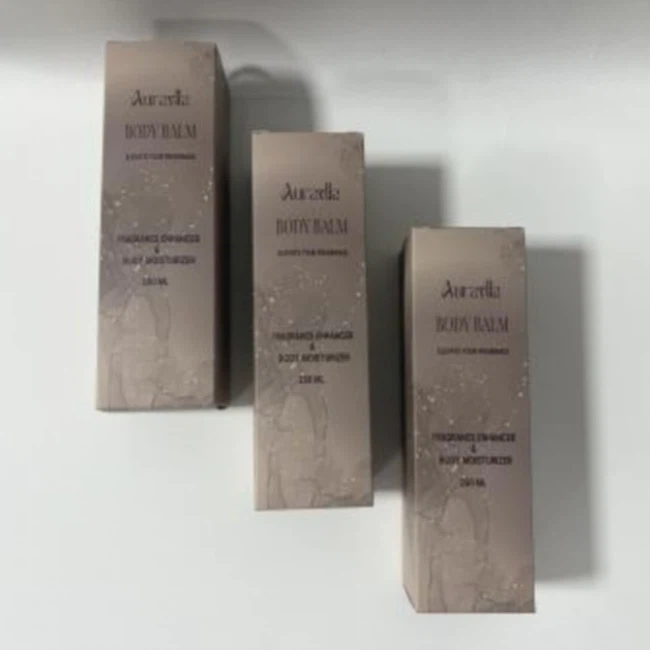
Rigid Box
Rigid boxes (also called "set-up boxes") are made from thick, rigid paperboard (often 1–3mm thick) covered with decorative materials like paper, fabric, leather, or foil. Unlike foldable boxes, they are pre-assembled and maintain their shape permanently. They are the most premium option among the three.
Advantages
Luxurious, high-end appearance: The rigid structure and decorative coverings (e.g., matte lamination, embossed leather, metallic foil) create a premium feel that elevates brand value. They are often associated with luxury goods.
Exceptional durability: The thick board resists crushing, bending, and wear, making it suitable for long-term use (e.g., reusable gift boxes) or protecting high-value items.
Stable for display and stacking: Its rigid shape maintains structure even when stacked, making it ideal for retail displays (e.g., perfume bottles, wine bottles) or storage.
Customizable for branding: It supports high-end finishing techniques (e.g., debossing, spot UV, velvet coating) and can be made in unique shapes (e.g., magnetic closure boxes, hinged boxes, cylindrical boxes) to stand out.
Reusable and giftable: Many rigid boxes are designed to be reused (e.g., jewelry boxes, watch boxes), extending brand exposure beyond the initial purchase.
Limitations
High cost: Rigid boxes are significantly more expensive to produce than corrugated or paper card boxes, due to thicker materials, pre-assembly, and premium finishes. They are not cost-effective for low-margin or bulk products.
Bulky and heavy: Pre-assembled rigid boxes take up more storage space (they cannot be flat-packed) and add weight to products, increasing shipping costs.
Less eco-friendly (without adjustments): Some rigid boxes use non-recyclable adhesives or coatings (e.g., plastic laminates). While eco-friendly options exist (e.g., recycled rigid board, water-based adhesives), they often cost more.
Ideal Use Scenarios
Luxury goods: High-end products like jewelry, watches, designer handbags, premium cosmetics (e.g., skincare sets), or luxury spirits (e.g., whiskey, wine).
High-value electronics: Expensive items like smartphones, tablets, or cameras, where the packaging needs to reflect the product's quality and protect it from damage.
Gift boxes for special occasions: Wedding favors, holiday gifts (e.g., luxury chocolate sets), or corporate gifts, where the packaging itself is part of the gifting experience.
Collector's items or limited editions: Products like collector's books, vinyl records, or figurines, where the box needs to be durable for long-term storage and display.

Conclusion
From above information, i think you have understand more details about custom box.To make them more intuitive, I have made a table for your reference.If you have any questions about your box,pls feel free to tell us.
|
Aspect |
Corrugated Box |
Paper Card Box |
Rigid Box |
|
Primary Strength |
Protection, cost-efficiency |
Print ability, lightweight |
Luxury appearance, durability |
|
Cost |
Lowest |
Moderate |
Highest |
|
Protection Level |
High |
Low |
High |
|
Storage Efficiency |
Good |
Excellent |
Poor |
|
Eco-Friendliness |
High |
High |
Moderate |
|
Best For |
Shipping, bulk items |
Small consumer goods, retail display |
Luxury products, high-value items, gifts |