




What Parents Look For When Buying A Kids Book: Price, Quality, Or Educational Value?
 Apr 16, 2026|
Walking into a bookstore or scrolling through online options, parents face hundreds of kids books. Between beautiful covers and catchy titles, three factors often guide the final decision: price, quality, and educational value. But which one matters most? This article breaks down what really goes through a parent's mind when choosing a kids book.
Price: The First Filter for Many Families
For most parents, price does not decide everything, but it sets the boundaries.
(1) Budget matters more for frequent buyers
Families with young children often buy multiple books per month. A $5–$10 book feels like an easy choice, while a $20 hardcover book may require more thought.
(2) Price affects repeat purchases
If a book delivers good value, parents are willing to buy from the same brand or series again. Overpriced books with little content usually lead to one-time purchases only.
(3) Sales and discounts drive trial
Many parents try new authors or topics when books are on sale. Lower risk means higher willingness to explore outside their usual choices.
Quality: What Parents Actually Check First
Before looking at the price tag, most parents pick up the book and feel it.
(1) Binding and page thickness
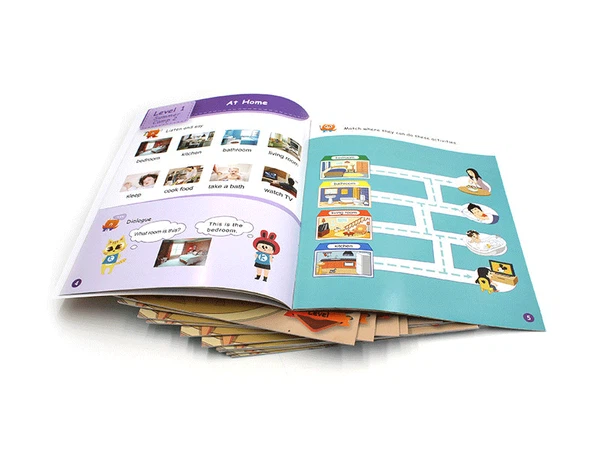
A kids book that falls apart after two reads is a waste of money. Parents check whether the binding feels secure and whether pages are thick enough to resist tearing.
(2) Print clarity and color accuracy
Faded printing or off-color illustrations can ruin the reading experience. Parents expect sharp images and true-to-life colors, especially in picture books for younger children.
(3) Cover sturdiness
Board books need to survive chewing, dropping, and bending. Paperbacks for older kids still need a cover that holds up inside a backpack.

Educational Value: The Silent Decision Maker
Parents rarely say "I want an educational book," but they almost always choose one that teaches something.
(1) Vocabulary building
Books that introduce new words without feeling like a lesson are highly valued. Parents look for natural language that stretches a child's vocabulary just enough.
(2) Concept teaching
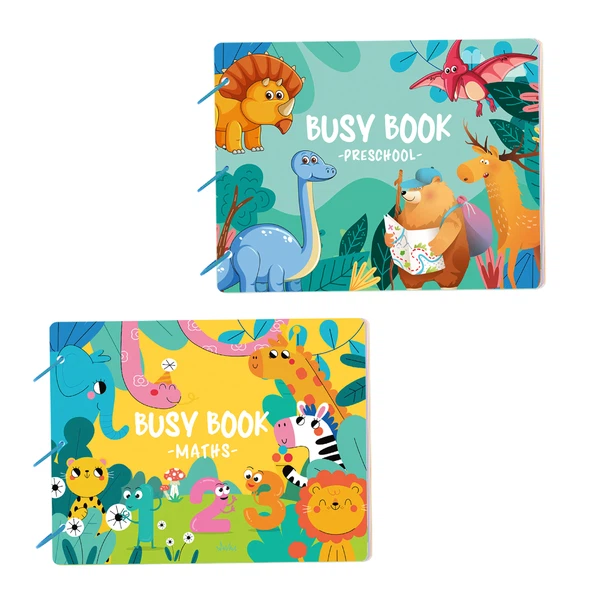
Numbers, colors, shapes, opposites-these basic concepts are best learned through stories. Parents prefer books that weave learning into fun narratives rather than presenting dry facts.
(3) Real-world knowledge
Books about animals, weather, different cultures, or how things work help children understand the world. Parents see these as worth the investment because they keep giving back.
Age Appropriateness: The Non-Negotiable Factor
No matter how good a book looks, if it does not fit the child's age, parents will put it back.
(1) Text length matters
For toddlers, parents want short sentences and simple words. For early readers, they look for chapters and slightly complex sentences. Too much text at the wrong age loses the child's attention quickly.
(2) Illustration ratio
Younger children need pictures on almost every page. As kids grow, the ratio of text to images shifts. Parents know this and check the balance before buying.
(3) Topic relevance
A five-year-old is not ready for teen drama, and a ten-year-old may find baby animal stories boring. Parents look for themes that match their child's emotional and social stage.
Visual Appeal: What Catches the Eye First
Before reading a single word, both parent and child react to how the book looks.
(1) Cover design
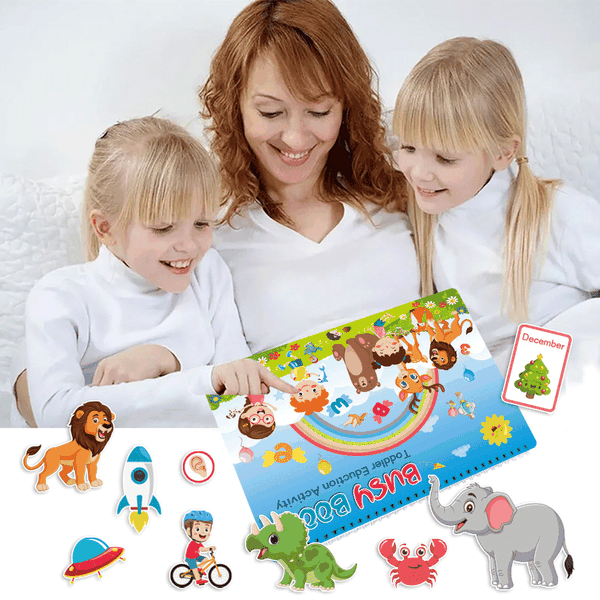
Bright colors, clear characters, and expressive faces grab attention from across the room. Parents know that if the cover does not appeal, the child may never open the book.
(2) Interior layout
Crowded pages with tiny text feel overwhelming. Spacious layouts with breathing room around words and images make reading feel easier and more enjoyable.
(3) Illustration style consistency
Parents notice when illustrations look rushed or vary in quality from page to page. A consistent, engaging art style keeps children turning pages.
Brand and Familiarity: The Shortcut to Trust
When parents are tired or in a hurry, they reach for what they already know.
(1) Recognizable characters
Books featuring popular characters from TV shows or movies feel like a safe choice. Parents trust that their child will engage with something familiar.
(2) Award stickers and badges
Caldecott, Newbery, or local children's book awards act as quality signals. A sticker on the cover can push an uncertain parent toward buying.
(3) Publisher reputation
Certain publishers are known for high-quality children's books. Parents learn these names over time and use them as a shortcut when browsing through many options.
Conclusion
Parents don't choose between price, quality, and educational value-they expect all three. A book that is too expensive gets skipped. A book that falls apart gets remembered for the wrong reason. A book that teaches nothing feels like a waste. That is exactly why Yucai prints kids books differently: competitive pricing, durable binding, vibrant printing, and stories that actually teach. No trade-offs. No shortcuts. If you want a kids book that parents trust, children love, and budgets allow-let Yucai help bring it to life.
FAQ
1. Do parents care more about educational value or entertainment?
Most parents want both. A purely educational book with no fun will not hold a child's attention. A purely entertaining book feels like a missed opportunity. The best sellers combine learning with enjoyment.
2. How much do parents typically spend on a kids book?
In the US, most parents spend between $7 and $15 for a new paperback picture book. Board books usually range from $6 to $10. Hardcover gift books can go up to $20 or more, but these are often bought for special occasions rather than regular reading.
3. Do parents prefer buying online or in physical stores?
Online shopping offers lower prices and more reviews, but physical stores let parents feel the paper quality and flip through pages. Many parents do both: research online and buy in store, or browse in store and compare prices online.
4. How often do parents buy new books for their children?
It varies widely. Some families buy 2–3 books per month. Others buy in bulk during sales or around birthdays and holidays. Frequent library users buy less often but still purchase favorite titles to keep at home.
5. Do parents return books if they are disappointed?
Returns are not very common because the cost of returning often exceeds the book's price. Instead, disappointed parents leave negative reviews, avoid that author or publisher in the future, or donate the book. Bad quality hurts long-term brand trust more than short-term sales.
6. What age group sees the highest book spending?
Toddlers and preschoolers (ages 2–5) typically see the highest spending. Parents buy many board books and picture books during these years. Spending often decreases for ages 6–8 as children start using school libraries, then rises again for ages 9–12 with chapter books and series.